Skip to content Skip to footer

designs.webbers@gmail.com

4 articles published Follow:
Pure Stone Surfaces

Granite or Quartz Countertops: Which One Should You Choose?

If you’ve spent any time shopping for countertops in Colorado, you’ve probably heard someone say “granite is timeless” and then heard someone else say “quartz is better for families” and walked away more confused than when you started.

Both are genuinely good options. The frustrating answer is that the right choice depends on how you actually use your kitchen, not on what’s trending or what your neighbor picked.

Let’s break it down properly.

What Granite Actually Is

Granite is a natural igneous stone, formed millions of years ago as molten rock cooled deep inside the earth. It’s quarried in large slabs from places like Brazil, India, and Italy, and no two slabs are ever the same. The variation in color, pattern, and mineral composition is what gives granite countertops their character.

Granite countertops Colorado homeowners choose tend to hold up well in this climate. Granite is heat-resistant, scratch-resistant, and chemically stable. You can set a hot pan on it without worrying. It doesn’t react to most household chemicals. And it won’t warp or shift with temperature changes.

The one thing granite does need is periodic sealing. It’s a porous stone, which means liquids can work their way in over time if the surface isn’t protected. A quality sealant applied every one to two years keeps it performing well. For most homeowners, that’s a ten-minute task once a year. Hardly a dealbreaker.

What Quartz Actually Is

Quartz countertops are an engineered product. Ground quartz mineral is combined with resins and pigments to create a uniform, non-porous surface. The result is a material that’s consistent in color and pattern from one end of the slab to the other, which some people love and others find a bit too perfect.

The biggest practical advantage of quartz is that it doesn’t require sealing. The manufacturing process creates a surface that resists staining and bacteria without any ongoing maintenance on your end. It’s also highly resistant to scratches.

Quartz countertops Colorado buyers appreciate that the consistency of the material makes it easier to match across a large kitchen or island installation. You don’t have to worry about veining patterns not lining up between slabs.

One thing to know about quartz: it’s not ideal for outdoor installations. Some quartz products can fade or degrade under UV exposure, which matters if you’re planning a covered patio kitchen or an area that gets a lot of direct sunlight. Natural stone handles those conditions better.

The Aesthetic Difference

This is personal, so take it with a grain of salt. Granite has an organic, one-of-a-kind quality that some people find beautiful and others find busy. Every slab is unique, which means you’re buying a natural object with all the variation that comes with that.

Quartz offers more design control. The engineered nature of the product means manufacturers can produce consistent colors, mimic the look of marble, or create subtle patterns that work in almost any kitchen. If you have a very specific vision for how your kitchen should look and you need predictability, quartz makes that easier.

Neither one looks cheap. Both photograph well. Both add real value to a home.

Cost Comparison

Pricing varies quite a bit depending on the specific material, the fabricator, and the complexity of your installation. Generally speaking, granite and quartz sit in a similar price range at the mid-tier level. Exotic granites with unusual coloring or rare origins will cost significantly more. Premium quartz brands can also push into high-end pricing.

The more meaningful cost conversation is often about long-term maintenance. Granite sealing costs almost nothing if you do it yourself. Professional sealing runs around $100 to $200 per application. Quartz has no maintenance cost to factor in at all.

Which One Is Right for You?

Choose granite if you love the look of natural stone, don’t mind the occasional sealing appointment, and want a surface with genuine heat resistance for an active cooking kitchen. Also, a good choice if you’re planning any outdoor countertop applications.

Choose quartz if you want zero maintenance, a consistent appearance across the entire installation, or if you have young kids and a kitchen that takes a lot of daily punishment. Also, a smart pick if you’re renovating to sell and want a surface that photographs cleanly and appeals to buyers broadly.

Pure Stone Surfaces in Colorado works with both materials and can walk you through the specific slabs available for your project. The best decision comes from seeing the actual material in person, not on a screen, and talking through how your kitchen gets used day to day. Their team can also help you understand how Colorado’s dry climate affects long-term performance for both stone types, which is worth factoring into your final call.
Leave a comment

The Ultimate Guide to Custom Kitchen Countertop Designs in Colorado

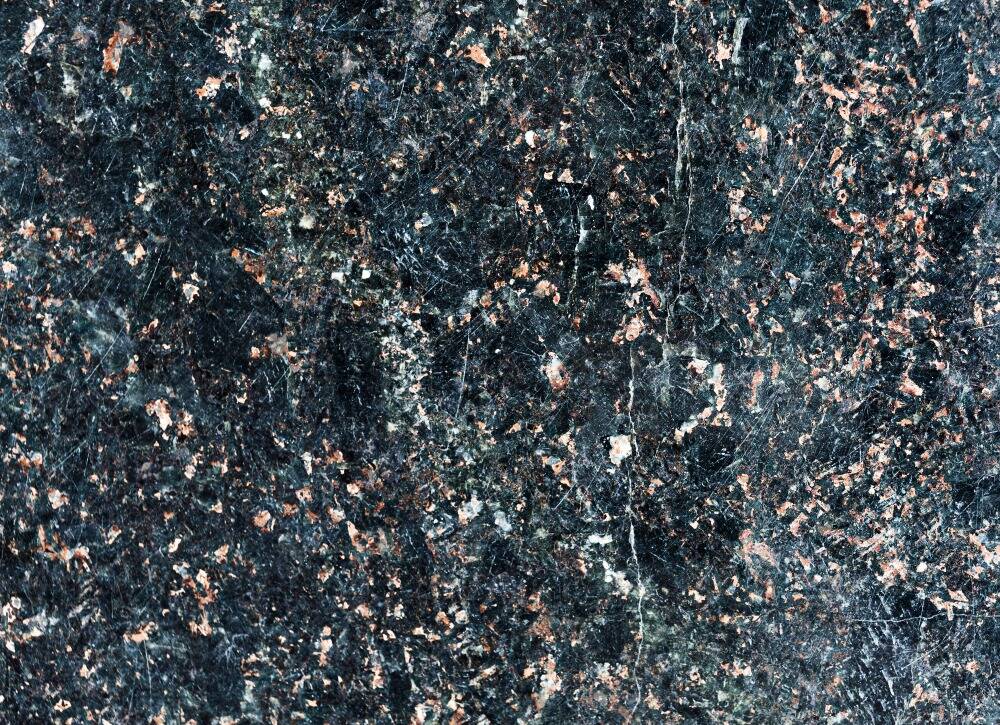
Walk into ten houses with granite countertops. You’ll see the same three patterns. That speckled beige. That black with white flecks. Maybe that reddish-brown if someone’s feeling adventurous.

Pure Stone Surfaces brings custom fabrication to people who want their kitchen to feel like theirs. Not a showroom display. Not their neighbor’s kitchen. Theirs. Award-winning precision. Timeless designs. The kind of craftsmanship where you notice the details.

What Custom Fabrication Actually Means

Custom Kitchen Countertops aren’t just about picking a slab color. That’s step one. Real custom means the fabricator considers your space how the veining flows across an L-shaped counter. Whether the pattern works with your backsplash. How the edge profile affects the overall look.

Mass production shops cut slabs to standard dimensions. Ship them out. Done. If the pattern doesn’t quite line up? Too bad. You get what you get. Stone countertops done properly require someone looking at your actual layout. Arranging templates. Planning where seams fall. Making sure the visual flow makes sense.

The Slab Selection Process

You don’t pick from photos online. You see actual slabs. In person. Under proper lighting.

Photos lie. That gorgeous white marble with grey veining? Might look completely different in your kitchen’s natural light. The color shifts. The veining pattern that looked delicate online could be overwhelming in real life.

Natural stone varies. Every slab is unique. What you see is literally what you get, that specific piece of stone, not “something similar.”

Engineered quartz offers more consistency. Pure Stone Surfaces quartz mimics marble aesthetics without the maintenance headaches. Through-body veining. Looks natural. Performs better than actual marble in busy kitchens.

Why Edge Profiles Matter More Than You Think

Most people obsess over stone color. Then pick a random edge profile without much thought.

Edge profiles dramatically change the countertop’s character. Sleek modern beveled edges. Traditional ogee profiles. Simple eased edges that let the stone shine. Wrong edge profile makes expensive stone look cheap. Right edge completes the design.

Good fabricators walk you through options. Show samples. Explain how different profiles work with different stone types and kitchen styles.

Undermount Sink Integration

Sink installation seems straightforward. Cut a hole. Drop the sink in. Right?

Except the way sinks attach to stone matters for longevity. Cheap installations use silicone adhesive. Works initially. Fails over time when water seepage weakens the bond. Professional installations use mechanical anchors. Steel brackets actually bolted into the stone. The sink cannot come loose. Water cannot compromise the attachment.

Reinforcement You Cannot See

Stone has thin areas near sinks and cooktops. Those narrow rails of material fronting or backing cutouts are structurally weaker than solid surface area.

Professional fabricators reinforce these areas. Threaded rods epoxied into channels cut in the stone’s underside. Dramatically increases flexural strength. Most customers never see this reinforcement. It’s underneath. But it’s the difference between stone that lasts decades versus stone that cracks within years.

Backsplashes and Integrated Designs

Matching backsplash transforms the space. Not matching it makes countertops feel incomplete.

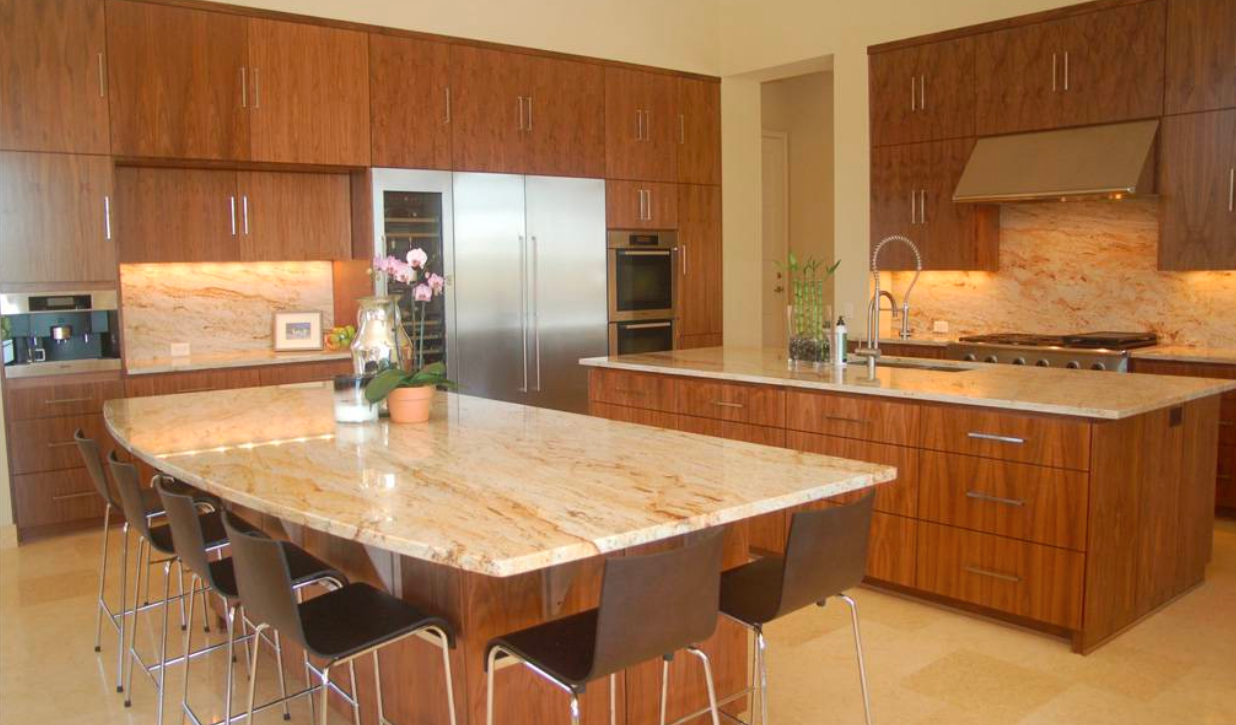
Full-height backsplashes. Short four-inch profiles. Dramatic book-matched slabs extending up the wall. Options vary based on budget and design goals. Getting the pattern to flow naturally from counter to backsplash requires planning during template layout. Cannot be an afterthought.

Bathroom Vanities Deserve the Same Attention

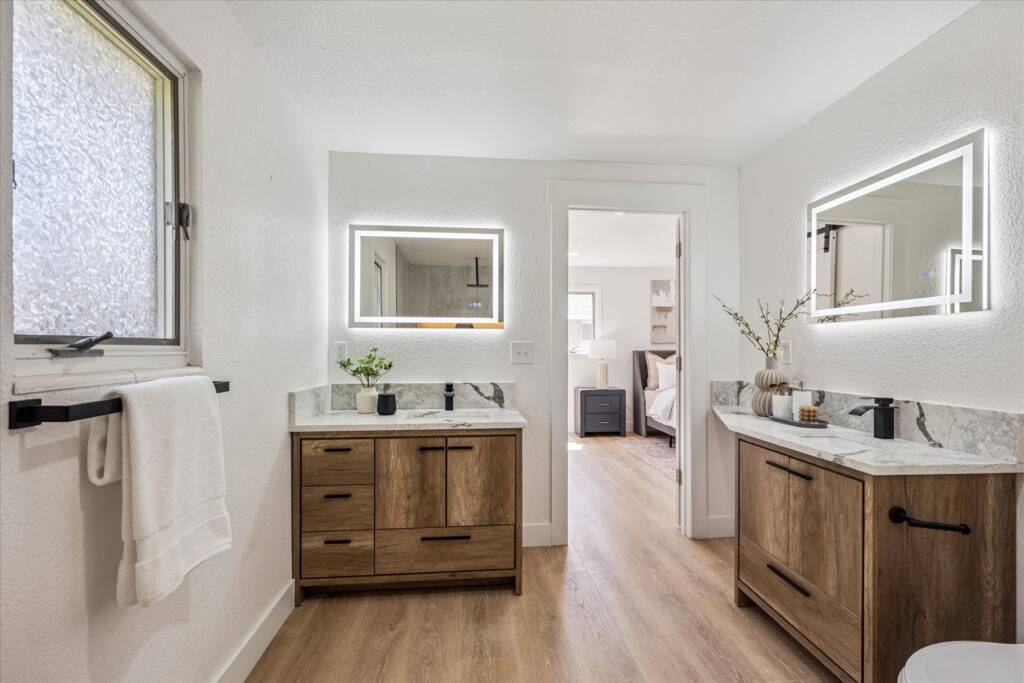
Kitchen countertops get all the attention. Bathroom vanities get whatever’s left over. Wrong approach. Bathrooms are smaller. Stone patterns more visible. Details matter more, not less. Plus bathrooms have different requirements. Standing water around sinks. Makeup and cosmetics. Different cleaning products. Stone selection and sealing needs consideration.

The Installation Timeline

Kitchen Countertop Installation typically takes two to four weeks from slab selection to completion. Template creation happens first, usually after cabinets are installed. Then cutting, polishing, edge profiling, and reinforcement all happen in the fabrication shop. Installation day is just mounting the finished pieces.

Sealing and Maintenance

Natural stone needs sealing. Granite annually usually. Marble more frequently, especially in kitchens. Quartzite varies by stone. Engineered quartz doesn’t require sealing at all. Non-porous surface. Big advantage for busy households. Fabricators should explain maintenance upfront, not after installation when you’re wondering why your marble is staining.

What Quality Costs

Custom stone fabrication costs more than big-box store countertops. Obviously. You’re paying for craftsmanship. Proper reinforcement. Mechanical sink mounting. Thoughtful slab selection and layout. Experience that prevents problems.

Budget installations look fine initially. Problems emerge later. Cracks. Sink issues. Seam problems. Staining from improper sealing. Quality fabrication is an investment. But countertops last decades. Worth doing right.

Frequently Asked Questions

Q.1 How long does custom stone countertop fabrication and installation take?
Ans. Most projects take two to four weeks from slab selection to installation. Templates are created after cabinets are in, fabrication happens in the shop, and installation day is typically fast once everything is ready.

Q.2 Do I need to seal my stone countertops after installation?
Ans. Yes, for natural stone. Granite needs sealing annually, marble more frequently, and quartzite varies. Engineered quartz skips sealing entirely since its non-porous surface resists staining on its own.

Q.3 What is the difference between natural stone and engineered quartz countertops?
Ans. Natural stone is one-of-a-kind. Every slab is unique and what you pick is exactly what you get. Engineered quartz offers more consistency, mimics natural stone, and requires less maintenance, making it a practical choice for busy kitchens.

Q.4 Why does the edge profile matter when choosing countertops?
Ans. Edge profiles shape the entire character of your countertop. The wrong profile can make expensive stone look off. A good fabricator walks you through options to find one that fits your stone type and kitchen style.

Leave a comment

Countertop Installation Denver

Preparing for Your Countertop Installation Day

Getting new countertops changes your whole kitchen. Installation day goes smoother when you’ve prepped properly. Most homeowners scramble at the last minute, trying to clear space and move things around, then wonder why everything feels chaotic.

Countertop Installation Denver projects typically take most of a day, sometimes longer, depending on your kitchen’s size. That’s extended time without kitchen access. Planning ahead separates stressful days from smooth ones.

Clearing Your Kitchen Space

Your installers need room to work. Everything comes off the countertops. Coffee makers, toasters, knife blocks, decorative items, and plants. All of it relocates temporarily. Don’t pile everything on your dining table. Think about what you’ll actually need during installation.

Coffee drinkers might want a temporary station elsewhere. If you eat breakfast at home, plan where that’s happening. Empty lower cabinets near the work area, too. Installation involves heavy materials and tools. Vibrations happen.

Dust gets everywhere despite protective measures. Fragile items stored in cabinets directly below installation areas risk damage. Relocate them temporarily.

Protecting Your Belongings

Dust happens during countertop installation. Cutting, fitting, and sealing materials creates particles that travel further than expected. Remove items from open shelving near the kitchen. Cover furniture in adjacent rooms if your kitchen opens to other spaces.

Professional installers typically bring floor coverings and protective materials, but verify this beforehand. Heavy stone slabs moving through your house can scratch floors without proper precautions.

Consider air quality during installation. Some sealants and adhesives have odors. Open windows if the weather permits. Family members with respiratory sensitivities might spend the day elsewhere. Pets need to be secured away from the work area for safety.

Dealing With Old Countertops

Removing existing countertops creates debris. Lots of it. Professional installers usually handle removal and disposal, but verify beforehand. Some companies charge extra for haul-away.

Ask about the removal process. Will they need driveway access for disposal containers? Do you need to clear a path from the kitchen to outside?

Old countertops sometimes damage walls during removal, especially if heavily caulked or installed decades ago. You might discover issues hiding beneath those surfaces.

Water damage near sinks. Outdated plumbing. Cabinet problems were invisible before. Don’t panic – these issues are common and fixable.

Planning for Plumbing and Electrical

New countertops mean disconnecting your sink and possibly your cooktop if electric. Your kitchen will be non-functional during installation. No running water at your kitchen sink. No cooking if your stove gets disconnected.

Plan meals accordingly. Maybe today’s takeout day. If you’ve got young kids needing frequent water access, set up a temporary station in a bathroom with cups and paper towels.

Garbage disposals and dishwashers get disconnected and reconnected after the countertop installation completes. Sometimes small issues arise during reconnection. A leak that wasn’t there before. A disposal that doesn’t turn on immediately. Professional installers fix these problems.

Understanding the Timeline

Countertop installations take longer than people expect. Fabricators fit pieces precisely, make cutouts for sinks and fixtures, seal seams, and ensure everything sits level.

This process is methodical and can’t be rushed. Seams need curing time. Sealants need drying time.

Sinks get installed after countertops are secure.

Don’t plan anything important immediately after installation. Evening dinner parties are bad ideas. You might not have full kitchen use by evening, even if the installation technically finishes.

Faucets might need time to set. Sealants might need curing overnight.

Preparing Your Cabinets

New countertops only look as good as the cabinets supporting them. Before installation day, check that your cabinets are level and structurally sound.

Installers can shim cabinets if needed, but major structural issues should get addressed beforehand.

Heavy stone countertops stress cabinet boxes. If your cabinets are old or damaged, reinforce or replace them now.

Installing expensive stone on failing cabinets causes problems eventually.

Clean cabinet tops thoroughly before installation. Installers need clean, level surfaces for proper installation. Decades of grease and grime interfere with adhesion and leveling.

Communicating With Your Installer

Talk to your installation team before they arrive. Confirm timing. Verify they have the correct measurements.

Double-check sink and faucet specifications if you’re installing new fixtures. Miscommunication about these details causes delays.

Stay available during installation. Stuff comes up. The installers might have a question about how you want something positioned, or they might hit an unexpected issue that needs a quick decision from you.

You being around – or at least reachable by phone – keeps things moving instead of everyone standing around waiting.

Know who to contact if problems arise. Direct phone number for your installer or project manager. Don’t assume you can reach the right person through the main office number.

Making Your Space Accessible

Installers need clear paths from your driveway to your kitchen. Heavy materials are moving through your house.

Remove obstacles. Secure loose rugs. Move furniture blocking doorways. Protect walls in narrow hallways where materials might brush against them.

Think about parking. Installation crews need space for trucks and equipment. If you live somewhere with limited parking or need permits for commercial vehicles, handle this beforehand.

Weather matters for Denver installations. Snow and ice make carrying heavy stone slabs downright dangerous. If the installation’s scheduled during winter, clear and salt your walkways and driveway before they arrive. The last thing anyone needs is someone slipping while carrying a $2,000 piece of stone.

Setting Realistic Expectations

Your kitchen’s going to be a mess during installation. It takes time. Things get disrupted. Accept this upfront. The end result is worth the temporary inconvenience.

Installation rarely goes exactly as planned. Small delays happen. Unexpected issues arise. Materials don’t fit perfectly on the first try. These situations are normal. Professional installers handle them, but flexibility helps everyone stay calm.

Your new countertops might look slightly different from the samples once installed. Lighting in your kitchen differs from showroom lighting. Natural stone varies from slab to slab. These differences are normal characteristics.

After Installation Care

Installation finishes, but you’re not done. New countertops need proper care from day one.

Sealants need curing time before getting wet. Some materials need initial sealing before use. Your installer provides specific care instructions. Follow them.

Don’t immediately load countertops with everything you removed. Take time to clean items before putting them back. Reorganize thoughtfully. You’ve got fresh surfaces. Treat them right from the start.

Preparing properly for countertop installation day isn’t complicated, but it requires thinking ahead. The effort you put into preparation creates smoother installation and better results.

Your kitchen gets disrupted either way. Preparation just makes that disruption manageable instead of chaotic.

Leave a comment

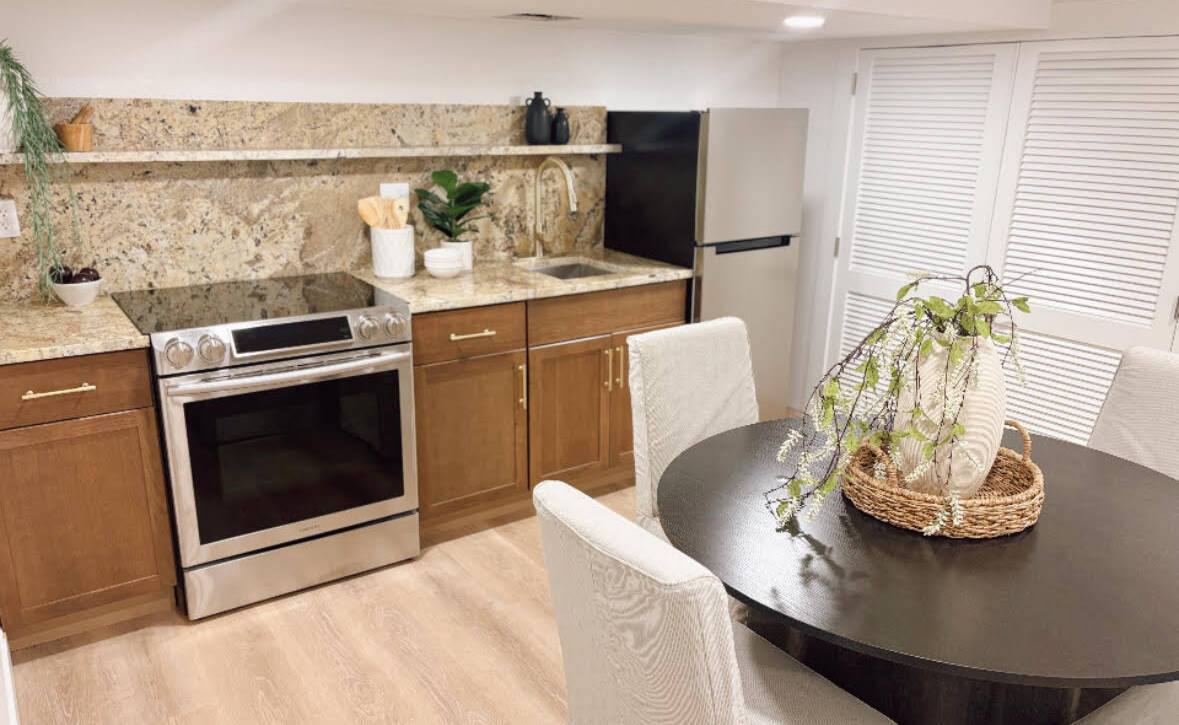
equipped kitchenette

Kitchen Design & Inspiration

Proin faucibus nec mauris a sodales, sed elementum mi tincidunt. Sed eget viverra egestas nisi in consequat. Fusce sodales augue a accumsan. Cras sollicitudin, ipsum eget blandit pulvinar. Integer tincidunt. Cras dapibus. Vivamus elementum semper nisi. Aenean vulputate eleifend tellus. Aenean leo ligula, porttitor eu, consequat vitae, eleifend ac, enim.

Sed ut perspiciatis, unde omnis iste natus error sit voluptatem accusantium doloremque laudantium, totam rem aperiam eaque ipsa, quae ab illo inventore veritatis et quasi architecto beatae vitae dicta sunt, explicabo.

At vero eos et accusam

Sed ut perspiciatis, unde omnis iste natus error sit voluptatem accusantium doloremque laudantium, totam rem aperiam eaque ipsa, quae ab illo inventore veritatis et quasi architecto beatae vitae dicta sunt.

Ut perspiciatis, unde omnis iste natus error sit voluptatem accusantium doloremque laudantium, totam rem aperiam eaque ipsa, quae ab illo inventore veritatis et quasi architecto beatae vitae dicta sunt, explicabo.

Sed ut perspiciatis, unde omnis iste natus error sit voluptatem accusantium doloremque laudantium, totam rem aperiam eaque ipsa, quae ab illo inventore veritatis et quasi architecto beatae vitae dicta sunt, explicabo.

Lorem ipsum dolor sit amet, consectetur adipisicing elit, sed do eiusmod tempor incididunt ut labore et dolore magna aliqua. Ut enim ad minim veniam, quis nostrud exercitation ullamco laboris nisi ut aliquip ex ea commodo consequat. Duis aute irure dolor in reprehenderit. Lorem ipsum dolor sit amet, consectetur adipiscing elit.

Curabitur varius eros et lacus rutrum consequat. Mauris sollicitudin enim condimentum, luctus justo non, molestie nisl.

Lorem ipsum dolor sit amet, consectetur adipisicing elit, sed do eiusmod tempor incididunt ut labore et dolore magna aliqua. Ut enim ad minim veniam, quis nostrud exercitation ullamco laboris nisi ut aliquip ex ea commodo consequat. Duis aute irure dolor in reprehenderit. Lorem ipsum dolor sit amet, consectetur adipiscing elit.

Individual approach to every project

Aenean et egestas nulla. Pellentesque habitant morbi tristique senectus et netus et malesuada fames ac turpis egestas. Fusce gravida, ligula non molestie tristique, justo elit blandit risus, blandit maximus augue magna accumsan ante. Duis id mi tristique, pulvinar neque at, lobortis tortor.

Lorem ipsum dolor sit amet, consectetur adipisicing elit, sed do eiusmod tempor incididunt ut labore et dolore magna aliqua. Ut enim ad minim veniam, quis nostrud exercitation ullamco laboris nisi ut aliquip ex ea commodo consequat. Duis aute irure dolor in reprehenderit. Lorem ipsum dolor sit amet, consectetur adipiscing elit.

Etiam vitae leo et diam pellentesque porta. Sed eleifend ultricies risus, vel rutrum erat commodo ut. Praesent finibus congue euismod. Nullam scelerisque massa vel augue placerat, a tempor sem egestas. Curabitur placerat finibus lacus.

Leave a comment