Skip to content Skip to sidebar Skip to footer

designs.webbers@gmail.com

12 articles published Follow:
7 Costly Mistakes in Commercial Countertops Installation

7 Costly Mistakes in Commercial Countertops Installation You Must Avoid

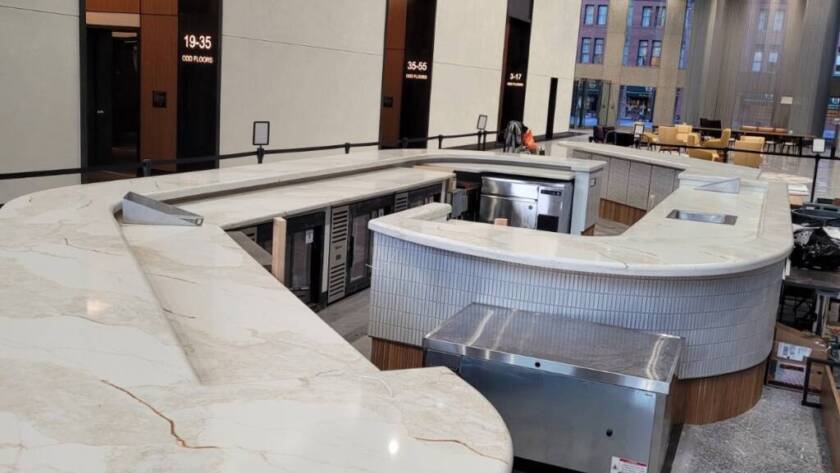
When designing or upgrading a commercial space, countertops are more than just a visual feature; they directly impact functionality, hygiene, and long-term efficiency. Whether it’s a restaurant, office, hotel, or retail store, investing in the right Commercial Countertops Installation plays a crucial role in daily operations and customer experience.
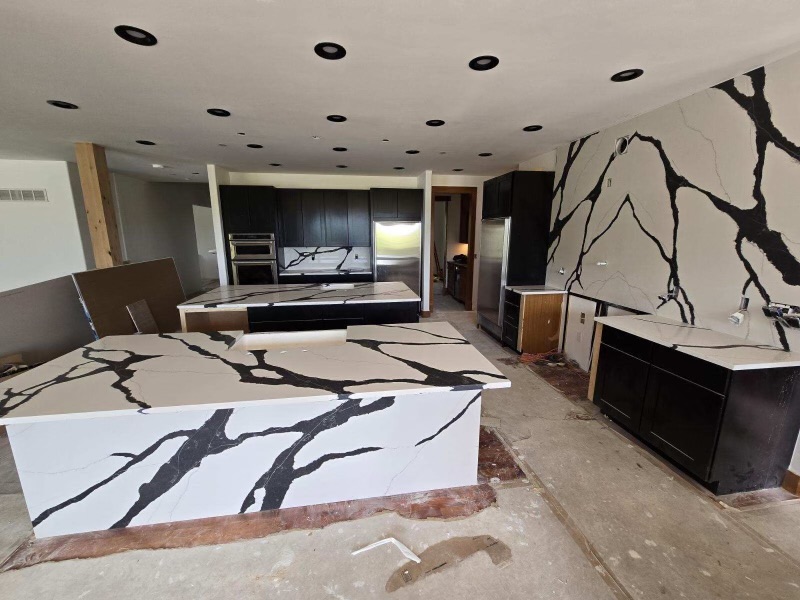
Commercial Countertops Installation

Businesses across the USA often overlook key factors during planning and installation, leading to costly mistakes. These errors can result in higher maintenance costs, reduced durability, and operational disruptions. In high-traffic environments, even small oversights can turn into major financial losses.

Based on industry experience, companies that invest in high-quality materials and professional installation see better performance, fewer repairs, and stronger long-term value. In this guide, we’ll explore the most common mistakes and how to avoid them.

Why Commercial Countertops Matter for Business Success

Commercial countertops must handle constant use, frequent cleaning, and exposure to heat, moisture, and chemicals. Unlike residential surfaces, they require a balance of durability, safety, and professional appearance.

From commercial kitchens to retail counters, choosing the right materials and installation approach ensures efficiency, hygiene, and long-lasting performance.

1. Choosing the Wrong Material for Your Business Needs

One of the most common mistakes is selecting materials based only on appearance rather than performance.

Different industries require different features. Restaurants need heat-resistant countertops, healthcare facilities depend on non-porous commercial surfaces for hygiene, and offices or retail spaces benefit from durable yet modern designs.

Quartz, granite, and solid surface materials are widely used in commercial countertop services. Quartz is known for being low-maintenance and stain-resistant. Granite offers exceptional durability and heat resistance, making it ideal for commercial kitchen countertops. Solid surface materials provide a seamless and hygienic finish, often preferred in healthcare environments.

Choosing the wrong material can lead to early damage, increased maintenance, and unnecessary costs.

2. Ignoring Workflow and Space Planning

Countertops are not just surfaces; they are essential to how your business operates. Poor planning can disrupt workflow and reduce efficiency.

For example, limited prep space in a commercial kitchen can slow down productivity, while poorly positioned counters in retail environments can affect customer interaction. Even small layout issues can create long-term operational challenges.

A well-planned commercial surface installation improves accessibility, efficiency, and overall usability.

3. Cutting Costs on Fabrication Quality

Trying to save money on countertop fabrication services often leads to bigger expenses later.

Low-quality fabrication can result in uneven edges, weak joints, and visible seams. In high-use environments, these flaws can quickly develop into cracks or structural damage.

Investing in professional fabrication ensures precision, durability, and a polished finish that enhances both performance and appearance.

4. Poor Installation Practices

Even high-quality materials can fail if they are not installed properly. Poor installation is one of the leading causes of countertop issues in commercial spaces.

Common problems include uneven surfaces, improper sealing, and weak adhesive application. These issues can lead to water damage, instability, and reduced lifespan.

Professional installers ensure that countertops are properly leveled, securely fitted, and capable of handling daily commercial use.

5. Overlooking Maintenance Requirements

Every material comes with specific maintenance needs, and ignoring them can lead to avoidable damage.

Some surfaces require periodic sealing, while others may react poorly to harsh cleaning products. High-traffic areas also demand consistent cleaning to maintain hygiene standards.

Choosing low-maintenance materials and understanding proper care routines can extend the life of your investment. Reliable Commercial Countertop Services providers can guide you in maintaining long-lasting commercial surfaces.

6. Not Considering Long-Term Durability

Focusing only on upfront costs can result in higher expenses over time. Commercial environments require surfaces that can withstand heavy usage without frequent repairs.

Key factors to consider include:

  • Resistance to heat, stains, and impact
  • Performance in high-traffic areas
  • Long-term maintenance requirements

Durable countertops for high-traffic areas, such as quartz and granite, offer better performance and reduce long-term costs. Investing in quality materials ensures reliability and long-term value.

7. Hiring Inexperienced Contractors

Hiring inexperienced contractors is one of the most costly mistakes in Commercial Countertops Installation. A lack of expertise can lead to poor workmanship, project delays, and budget overruns.

Experienced professionals understand the demands of commercial projects and follow industry standards. Licensed and insured commercial countertop contractors ensure proper installation, safety compliance, and long-lasting results.

How to Choose the Right Commercial Countertop Services in the USA

Choosing the right professionals is essential for a successful project. Businesses across the USA can benefit from understanding best practices in commercial countertop projects, while working with experienced local professionals ensures the best results.

When selecting a service provider, consider:

  • Proven experience in commercial projects
  • Knowledge of materials like quartz, granite, and solid surfaces
  • Strong portfolio and positive client feedback

Working with the right contractor ensures efficient execution and long-term performance.

Why Professional Commercial Countertop Services Matter

Working with experienced experts like PureStone Surfaces ensures that every stage of the project, from design to fabrication and installation, is handled with precision.

Professional Commercial Countertop Services help reduce costly mistakes, improve efficiency, and deliver high-quality results that meet commercial standards across the United States.

Conclusion

Investing in the right Commercial Countertops Installation is essential for creating a durable, functional, and professional commercial space.

If you are planning a commercial upgrade, working with experienced professionals ensures long-term durability and performance while helping you avoid costly mistakes.

By focusing on proper material selection, quality fabrication, expert installation, and skilled contractors, you can protect your investment and ensure long-term success. A strategic approach will not only enhance the appearance of your space but also improve efficiency and reliability.

Frequently Asked Questions

Q: What is the best material for commercial countertops?

The best material depends on your business needs. Quartz is ideal for low-maintenance environments, granite is perfect for heat-resistant applications like restaurants, and solid surfaces are preferred for hygienic commercial use.

Q: How long does commercial countertop installation take?

Most projects take anywhere from a few days to two weeks, depending on the size, design, and complexity of the installation.

Q: How much do commercial countertop services cost in the USA?

Costs vary depending on materials, project size, and customization. Investing in high-quality materials and professional installation ensures better durability and long-term value.

Q: Which countertops are best for high-traffic areas?

Durable commercial surfaces like quartz and granite are the best choices for high-traffic areas due to their strength, resistance to wear, and low maintenance requirements.

Q: How do I choose a commercial countertop contractor?

Look for experienced professionals with a strong portfolio, positive client reviews, and expertise in commercial projects. Choosing licensed and insured contractors ensures better quality and reliability.
Leave a comment

Residential Countertops

How Residential Countertops Installation Transforms Modern Kitchens in 2026

In 2026, kitchens have evolved far beyond simple cooking spaces, they are now central hubs for daily living, entertaining, and even working from home. However, outdated countertops can reduce both functionality and overall home value. This is why Residential Countertops Installation has become one of the most important upgrades for homeowners across the USA.

Residential Countertops Installation

A professionally installed countertop not only enhances the visual appeal of your kitchen but also improves durability, hygiene, and efficiency. Whether you’re planning a renovation or looking for a smart upgrade, investing in modern kitchen countertops can completely transform your space.

Why Countertops Are Essential in Modern Kitchens

Countertops are one of the most frequently used surfaces in any home, playing a key role in both functionality and design.

What makes countertops important?

  • Used for cooking, food preparation, and dining
  • Defines kitchen layout and workflow
  • Impacts cleanliness and maintenance
  • Enhances overall kitchen aesthetics

A well-designed countertop creates a clean, efficient, and visually balanced kitchen, making everyday tasks more convenient and enjoyable.

Top Residential Countertop Trends in 2026

Kitchen design trends are constantly evolving, and countertops are leading the transformation in modern homes.

  • Quartz for Low-Maintenance Living

Quartz remains one of the best countertop materials for kitchens. It is non-porous, stain-resistant, and requires minimal maintenance, making it ideal for busy households.

  • Natural Stone Finishes

Granite and marble continue to offer timeless appeal. Neutral tones and subtle patterns are trending, giving kitchens a clean and elegant look.

  • Seamless and Waterfall Designs

Waterfall edges and seamless countertops create a sleek, high-end appearance that enhances modern kitchen aesthetics.

  • Eco-Friendly Countertop Materials

Sustainability is becoming a major factor, with homeowners choosing environmentally friendly and responsibly sourced materials.

  • Minimal Yet Bold Styles

Modern kitchens are embracing simplicity with occasional bold textures or statement colors, creating a unique yet balanced design.

4 Benefits of Professional Countertop Installation

Upgrading your countertops offers both functional and aesthetic advantages that go beyond appearance.

  1. Long-Lasting Durability

Modern materials are designed to resist heat, scratches, and daily wear, making them reliable for long-term use.

  1. Improved Hygiene and Cleanliness

Non-porous surfaces like quartz prevent bacteria buildup, ensuring a cleaner and safer kitchen environment.

  1. Better Space Utilization

Custom countertop installation improves workflow and maximizes usable workspace.

  1. Enhanced Kitchen Design

A professionally installed countertop creates a cohesive and polished look that ties the entire kitchen together.

How Much Does Countertop Installation Cost in the USA?

Understanding the cost of countertop installation helps homeowners plan their upgrades more effectively.

On average, Residential Countertops Installation in the USA costs between $2,000 and $5,000+, depending on:

  • Material selection (quartz, granite, marble, etc.)
  • Kitchen size and layout
  • Custom edge designs and finishes
  • Installation complexity

While the initial cost may vary, investing in high-quality countertop installation provides long-term value through durability, functionality, and increased home appeal.

Quartz vs Granite: Which Countertop Should You Choose?

Choosing between quartz and granite is one of the most important decisions when upgrading your kitchen.

Quartz countertops are known for their low-maintenance and modern appearance. As a non-porous material, quartz resists stains and does not require sealing, making it an excellent option for homeowners who want convenience and durability. Its consistent patterns also make it a popular choice for contemporary kitchen designs.

Granite countertops, on the other hand, are a natural stone option with unique patterns and textures. Each slab is different, giving your kitchen a one-of-a-kind look. Granite is extremely durable and naturally heat-resistant, making it ideal for those who cook frequently and prefer a more traditional style.

Key Differences:

  • Quartz requires minimal maintenance, while granite needs occasional sealing
  • Both materials are highly durable for daily use
  • Quartz offers a modern and uniform look, while granite provides natural variation
  • Quartz is more stain-resistant, while granite handles heat better

Ultimately, quartz is best for low-maintenance living, while granite is perfect for those who value natural beauty and heat resistance.

Step-by-Step Countertop Installation Process

Understanding the process helps ensure a smooth and stress-free experience.

  • Consultation and Planning: Evaluate your kitchen layout, design preferences, and functional needs
  • Material Selection: Choose from durable kitchen surfaces that match your style and budget
  • Precision Fabrication: Accurate measurements ensure a perfect fit and finish
  • Professional Installation: Skilled experts handle placement, alignment, and detailing
  • Final Inspection: Ensure everything meets quality and performance standards

Based on industry experience, professionally installed countertops last longer and perform better than DIY installations.

Common Mistakes to Avoid

Avoiding common mistakes can help you get the best results from your countertop investment.

  • Choosing materials based only on price
  • Ignoring maintenance requirements
  • Overlooking the kitchen workflow and layout
  • Hiring inexperienced installers

Making informed decisions ensures your countertops deliver both functionality and long-term value.

How New Countertops Increase Home Value

Upgrading your countertops is one of the most effective ways to improve your home’s value.

Modern kitchen countertops enhance both usability and visual appeal, making your home more attractive to buyers. In competitive markets, updated kitchens often sell faster and at higher prices.

Why Choose PureStone Surfaces?

PureStone Surfaces is known for precision countertop fabrication and high-quality craftsmanship. From kitchens to bathrooms and custom spaces, every project is completed with attention to detail and a focus on long-term performance.

What sets them apart:

  • Custom countertop solutions
  • High-quality materials
  • Precision fabrication
  • Experienced installation professionals
  • Focus on modern kitchen design

Their expertise ensures that every countertop installation enhances both style and functionality.

The Future of Modern Kitchen Countertops

Countertops are continuing to evolve with new materials and innovations.

Future trends include:

  • Enhanced heat and stain resistance
  • Smart countertop features
  • Fully customized designs
  • Advanced low-maintenance materials

These advancements highlight how countertops are becoming an essential part of modern kitchen living.

Final Thoughts

Residential Countertops Installation is one of the most impactful upgrades for modern kitchens in 2026. It improves durability, enhances hygiene, and elevates the overall design of your space.

By choosing high-quality materials and working with experienced professionals, you can create a kitchen that is both stylish and highly functional. Investing in professional countertop installation is a smart decision that delivers long-term value and transforms your home into a modern, efficient living space.

Frequently Asked Questions

Q: How long does countertop installation take?
A: Most installations are completed within 1 to 3 days, depending on the project size and complexity.

Q: What is the most durable countertop material?
A: Quartz is one of the most durable and low-maintenance options available today.

Q: Is countertop replacement worth it?
A: Yes, it improves functionality, enhances design, and increases overall home value.

Q: How do I choose the right countertop material?
A: Consider your budget, usage, maintenance needs, and design preferences before making a decision.

Q: What is the average lifespan of kitchen countertops?
A: Most countertops last between 10 and 30 years, depending on the material and maintenance.

Q: Can I install countertops myself?
A: Professional installation is recommended to ensure proper fitting, safety, and long-term durability.

Leave a comment

Quartzite Countertops

How to Choose the Best Quartzite Countertops in Colorado (Design & Durability Guide)

Colorado homeowners have a high bar when it comes to home materials. Between intense UV at altitude, dry air, and sharp seasonal temperature swings along the Front Range, surfaces need to do more than look good; they need to last. That’s exactly why so many Denver and Englewood homeowners are choosing quartzite countertops. Durable, heat-resistant, and naturally beautiful, it’s one of the smartest natural stone choices for Colorado living.

Here’s what you need to know before making a decision.

What Makes Quartzite Different From Other Natural Stones?

Quartzite is a metamorphic rock formed when sandstone transforms under extreme heat and pressure deep within the Earth. The result is one of the hardest natural stones available, harder than granite, and significantly tougher than marble.

It’s also worth clarifying: quartzite and quartz are not the same thing. Quartz countertops are engineered products made with resins and pigments. Quartzite is 100% natural, quarried in full slabs, with veining that forms organically over millions of years. No two slabs are identical; your countertop is genuinely one of a kind.

Why Quartzite Is Built for Colorado Homes

Colorado’s climate is demanding. High altitude UV, dry winters, and wide temperature swings between seasons put real stress on home surfaces. Quartzite handles all of it:

  • Heat resistant: Set hot pans directly on the surface without scorching or discoloration, a must-have for active kitchens in the Denver area.
  • Scratch resistant: The stone’s natural density means daily wear doesn’t show the way it does on softer materials.
  • Low water absorption: Once sealed, quartzite resists moisture and staining, making it equally well-suited for bathroom vanities, outdoor kitchens, and BBQ countertops across Colorado.
  • UV stable: Unlike many engineered surfaces, quartzite holds its color in direct sunlight, essential for Colorado’s high-altitude outdoor spaces where sun exposure is intense year-round.


Aesthetically, quartzite feels right at home here, too. Its natural veining and earthy tones echo the layered rock faces along I-70, the sandstone canyons of the foothills, and the rugged textures that define Colorado’s landscape.

What to Look for When Selecting a Slab

Not all quartzite on the market is equal. Some softer stones get sold under the same label and etch when exposed to acids like lemon juice or vinegar. True quartzite won’t etch.

Always view the full slab, not just a small sample chip, before you commit. The veining looks very different at scale. Ask about finish options too: a polished finish maximizes color and depth; a honed finish delivers a softer, matte look; a leathered finish adds texture suited to rustic or transitional interiors.

Edge profiles also matter more than most people realize. Whether you go straight, beveled, or more decorative, it shapes how the whole countertop reads in the space. A skilled fabricator will help you match the profile to your design.

Quartzite Across Kitchen, Bathroom & Outdoor Spaces

The best quartzite countertops in Colorado work across every room, not just the kitchen.

Kitchens benefit most from quartzite’s heat and scratch resistance. It handles heavy daily use with ease and gives every kitchen a surface that’s both functional and visually distinct.

Bathrooms gain the elegance of marble without the maintenance headaches. Quartzite’s low water absorption keeps vanity surfaces looking fresh through daily moisture exposure.

Outdoor kitchens and BBQ areas are where quartzite truly separates itself. UV resistance, heat tolerance, and natural strength make it one of the few stones that genuinely hold up in Colorado’s variable outdoor conditions, from summer grilling season to icy winter months.

Simple Care Tips for Colorado Conditions

Quartzite is low maintenance, but Colorado’s dry climate means keeping the sealant in good shape matters more here than in humid regions. Seal at installation, re-seal when needed, clean with warm water and mild soap, and wipe up spills quickly. That’s all it takes to keep quartzite looking its best for decades.

Work With Experienced Quartzite Fabricators in Colorado

Quartzite is harder to cut and fabricate than most natural stones, experience matters. Look for a team that handles everything from slab selection to professional installation, has specific hands-on experience with quartzite, and lets you view actual slabs before committing.

Pure Stone Surfaces in Englewood, CO, offers expert quartzite countertop fabrication and installation across Denver and the wider Colorado area, for kitchens, bathrooms, and outdoor projects, with the craftsmanship this material deserves.

Frequently Asked Questions About Quartzite Countertops in Colorado

1. Are quartzite countertops a good fit for Denver’s climate? 

Yes. Quartzite handles Denver’s altitude, dry air, and temperature swings with ease. It won’t fade, crack, or degrade, making it one of the most climate-compatible natural stone choices for Colorado homes.

2. Can quartzite be used for outdoor kitchens and BBQ countertops in Colorado? 

Absolutely. Quartzite’s UV resistance, heat tolerance, and natural strength make it ideal for Colorado outdoor kitchens and BBQ countertops, holding up beautifully through hot summers and cold winters.

3. How does quartzite hold up in Colorado bathrooms? 

Very well. Its low water absorption resists moisture and staining with daily use. Once sealed, quartzite bathroom countertops stay clean and elegant — without the etching risk that comes with marble.

4. Do you provide quartzite fabrication and installation in the Denver area? 

Yes. Pure Stone Surfaces handles full quartzite countertop fabrication and professional installation throughout Denver, Englewood, and surrounding Colorado communities, from measurement to final inspection.

5. How often does quartzite need resealing in Colorado’s dry climate?

Colorado’s low humidity can wear sealant faster than humid regions. Most Colorado homeowners reseal every one to two years. A quick water bead test tells you exactly when it’s time.

Leave a comment

Marble Bathroom Countertops

Marble Bathroom Countertops Colorado: Maintenance, Pros & Design Ideas

Marble has been used in bathrooms for thousands of years, from ancient Roman baths to modern luxury homes in the Colorado Rockies. And it’s not hard to see why. The natural veining, the cool surface, the way light plays across a well-cut slab, there’s really nothing quite like it. If you are thinking about marble bathroom countertops for your Colorado home, this guide covers everything worth knowing before you commit: the real pros and cons, how to keep marble looking great, and which design styles work best.

What Makes Marble a Good Choice for Bathroom Countertops?

Marble isn’t the lowest-maintenance option on the market, and it’s worth being upfront about that. But for many homeowners, what it brings to a bathroom more than makes up for the extra care it needs.

  • Every Slab Is Unique

Unlike engineered stone or tile, no two pieces of marble are identical. The veining, color variation, and pattern in each slab come from millions of years of geological pressure; you genuinely can’t replicate them. Whether you lean toward the soft grey tones of Carrara or the bold, gold-streaked drama of Calacatta, marble bathroom countertops give a bathroom a character that manufactured surfaces simply don’t have.

  • It Holds Its Value Well

Natural stone is one of those finishes that tends to age gracefully rather than look dated. In Colorado’s housing market, where buyers often have high expectations for finishes,  marble bathroom countertops are consistently seen as a premium feature. That said, the value is more about lasting quality than a guaranteed ROI number; it really depends on the home and the market.

  • The Surface Stays Cool Naturally

Marble has low thermal conductivity, which means it stays cool even in a warm bathroom. This is a small but genuinely nice feature for a vanity surface, especially if you keep skincare products or fragrances on the counter that do better away from heat.

Marble Bathroom Countertop Maintenance: What to Actually Expect

Here’s the honest version: marble is porous and softer than granite or quartz, so it does require more attention. Acids etch it, liquids can stain it if left sitting, and it can be scratched with rough use. That said, with a basic routine, it’s very livable, and many people find the natural patina that develops over time adds to the character rather than detracting from it.

Seal It — And Re-Seal Annually

A penetrating stone sealer is the single most important thing you can do for marble bathroom countertops. It doesn’t make marble bulletproof, but it buys you time when spills happen, which is really all you need. Most sealers need to be reapplied once a year; some high-end ones last longer. It takes about 20 minutes and makes a real difference.

Day-to-Day Care
  • Wipe up spills quickly especially anything acidic like perfume, toner, or citrus-based products.
  • Clean with warm water and a pH-neutral soap. Avoid vinegar, bleach, or anything marketed as a “deep cleaner.”
  •  Use a soft cloth or microfiber. Abrasive scrubbers will scratch the polished finish over time.
  •  Don’t panic about small etches; a professional can polish them out, and light etching often blends into the natural variation of the stone.

Properly maintained marble bathroom countertops in Colorado can last decades. In historic homes, you’ll find marble that’s well over a hundred years old and still beautiful. The key is just consistent, gentle care.

Design Ideas Worth Considering

Marble is flexible enough to work across a wide range of bathroom styles. A few directions that tend to look especially good:

  • White or Light Grey Marble with Contrasting Fixtures

Carrara and Statuario are the classics for good reason. Their soft white base and grey veining pair naturally with darker hardware, matte black, brushed nickel, or aged bronze. It’s a combination that reads as refined without being overdone, and it photographs well if resale is ever a consideration.

  • Waterfall Edge Vanity Tops

A waterfall edge, where the countertop continues vertically down the side of the cabinet, is one of the better ways to show off a slab with strong veining. It turns the stone itself into the design feature rather than just the surface. It does use more material, so expect it to add to the cost, but the visual result is usually worth it.

  • Book-Matched Slabs for a Statement Look

Book-matching means cutting two consecutive slabs from the same block and opening them like a book, creating a mirrored veining pattern. It’s not something every project calls for, but in a larger master bathroom, it can be genuinely stunning; the symmetry feels intentional in a way that’s hard to achieve with other materials.

Is Marble the Right Fit for Your Bathroom?

Marble works well in bathrooms that see moderate use and where the homeowner is comfortable with a bit of ongoing care. It’s a great fit for a master bath or a guest bathroom that doesn’t get heavy daily traffic. In a shared family bathroom with kids, you might prefer a more forgiving surface like quartzite or porcelain that mimics marble’s look with less upkeep.

The other thing worth knowing is that marble bathroom countertops in Colorado come in a wide range of price points depending on the stone type, slab grade, edge profile, and fabrication. Carrara is generally more accessible; rarer marbles like Calacatta Borghini or Verde Guatemala sit at the higher end. Getting a few quotes and seeing slabs in person before deciding is always a good idea.

Final Thoughts

Marble bathroom countertops aren’t the right choice for everyone, but for the right space and the right homeowner, they’re hard to beat. The material has a depth and authenticity that’s difficult to replicate, and when it’s well-maintained, it only gets better with age.

If you are exploring marble for a Colorado bathroom project, take time to visit a stone yard and see the actual slabs rather than relying on photos. The variation between pieces is significant, and seeing it in person, ideally in the lighting of your space, makes a real difference in choosing the right stone.

Frequently Asked Questions About Marble Bathroom Countertops

Q1: How much do marble bathroom countertops cost in Colorado?

A: Expect $60–$200+ per square foot installed. Carrara sits at the lower end; rarer stones like Calacatta Gold cost more. Price varies by slab grade, edge profile, and fabricator. Always get a few local quotes.

Q2: Does marble scratch or stain easily in a bathroom?

A: It can be porous and softer than quartz or granite. Perfume, hair dye, and acidic products can stain if left sitting. Annual sealing and quick cleanup of spills keep it well protected in everyday bathroom use.

Q3: How often does marble need to be sealed?

A: Once a year is the standard. A simple water-bead test tells you when it’s due. If water soaks in rather than beading up, it’s time to reseal. Most sealers take under 30 minutes to apply.

Q4: Is marble better than quartz for bathroom countertops?

A: Quartz is more durable and low-maintenance; marble offers a natural look that quartz can’t fully replicate. Many homeowners use marble in a master bath and quartz in shared or high-traffic bathrooms; it’s really a lifestyle choice.

Q5: What marble types work best for Colorado bathrooms?

A: Carrara is the most accessible, affordable, and versatile. Calacatta varieties suit bolder, statement spaces. For mountain or contemporary Colorado homes, grey-toned options like Bardiglio or Silver Shadow tend to feel most natural.

Leave a comment

Soapstone Countertops Denver

Soapstone Countertops in Colorado: Benefits, Maintenance & Design Tips

Choosing the right countertop material is an important decision for any homeowner. If you are exploring soapstone kitchen countertops or planning to upgrade to soapstone bathroom countertops, this natural stone offers a balance of durability, elegance, and practicality. Popular across Denver and the surrounding areas, soapstone is known for its smooth texture, rich color variations, and long-lasting performance.

In this guide, we will walk through the key benefits, maintenance tips, and design ideas to help you decide if soapstone is the right fit for your home.

Why Soapstone Countertops Are Popular in Colorado Homes

Colorado homeowners often look for materials that can handle temperature changes, daily use, and long-term durability. Soapstone stands out as a reliable natural stone surface that performs well in both kitchens and bathrooms.

Key reasons for its growing popularity:
  • Naturally dense and durable
  • Resistant to heat and stains
  • Suitable for both modern and traditional designs
  • Ages beautifully over time

Unlike some other natural stone countertops, soapstone develops a soft patina that enhances its character, making it a preferred choice for homeowners seeking a timeless look.

Benefits of Soapstone Kitchen and Bathroom Countertops

1. Durability for Everyday Use

Soapstone is a non-porous material, which means it resists stains, bacteria, and moisture. This makes it an excellent option for both kitchens and bathrooms, where surfaces are frequently used.

2. Heat Resistance

One of the biggest advantages of soapstone kitchen countertops is their ability to handle heat. Hot pots and pans can be placed directly on the surface without causing damage, which is especially useful in busy kitchens.

3. Low Maintenance Requirements

Compared to materials like granite or marble, soapstone requires minimal upkeep. It does not need sealing, and routine cleaning is simple with mild soap and water.

4. Natural Aesthetic Appeal

Soapstone offers a soft, matte finish with subtle veining. Over time, the surface darkens slightly, giving it a richer and more refined appearance.

5. Versatility in Design

From rustic farmhouse kitchens to modern bathroom vanities, soapstone adapts well to different styles. It pairs beautifully with wood cabinetry, white finishes, and even industrial elements.

Soapstone vs Other Countertop Materials

When comparing soapstone vs granite countertops or quartz surfaces, there are a few important differences to consider:

  • Soapstone: Non-porous, softer feel, develops patina
  • Granite: Requires sealing, more pattern variation
  • Quartz: Engineered, consistent look, less heat-resistant

Homeowners who look for a natural, low-maintenance option, soapstone strikes the right balance between performance and aesthetics.

Maintenance Tips for Soapstone Countertops

Keeping soapstone countertops in great condition is simple. Here are a few practical tips:

➨ Daily Cleaning

  • Use a soft cloth with mild soap and water
  • Avoid harsh chemical cleaners

➨ Managing Surface Changes

  • Light scratches can be sanded out easily
  • Mineral oil can be applied occasionally to enhance color

➨ Long-Term Care

  • No sealing required
  • Regular use naturally improves the surface appearance

These simple steps make soapstone a practical choice for homeowners who prefer low-maintenance materials.

Design Ideas for Soapstone Countertops

Whether you are updating a kitchen or designing a bathroom, soapstone offers flexibility in style.

Kitchen Design Ideas

  • Pair with white or light-colored cabinets for contrast
  • Combine with wood tones for a warm, natural look
  • Use as an island centerpiece for a bold statement

Bathroom Design Ideas

  • Ideal for vanity tops due to moisture resistance
  • Works well with modern fixtures and minimal designs
  • Complements both dark and light tile choices

Soapstone bathroom countertops Colorado homeowners choose often focus on clean, elegant layouts that highlight the stone’s natural texture.

Choosing the Right Soapstone Countertops in Denver

When selecting soapstone, it’s important to consider:

  • Slab variation and color tone
  • Thickness and edge profile
  • Installation quality

Working with experienced professionals ensures accurate fabrication and a proper fit for your space. Homeowners in Denver often look for specialists who understand both design preferences and installation precision.

PureStone Surfaces provides customized countertop solutions, helping bring design ideas to life while maintaining quality and attention to detail.

Is Soapstone the Right Choice for Your Home?

Soapstone is an excellent option for homeowners who value:

  • Natural materials
  • Long-term durability
  • Low maintenance
  • Unique, evolving appearance

It works particularly well in Colorado homes where both functionality and aesthetics are important.

Final Thoughts

For homeowners considering soapstone kitchen countertops Colorado or soapstone bathroom countertops Colorado, this material offers a thoughtful combination of beauty and practicality. Its durability, ease of maintenance, and timeless appeal make it a reliable choice for both kitchens and bathrooms.

With the right design approach and proper installation, soapstone can enhance your space for years to come.

Frequently Asked Questions

1. Are soapstone countertops a good choice for kitchens in Colorado?

Yes, soapstone countertops are a practical option for Colorado kitchens. They are naturally heat-resistant, non-porous, and durable, making them well-suited for daily cooking use. Many homeowners also appreciate their ability to handle temperature changes, which is beneficial in Colorado’s climate.

2. How do you maintain soapstone countertops?

Soapstone countertops are relatively low-maintenance. Daily cleaning can be done with mild soap and water. Some homeowners choose to apply mineral oil occasionally to enhance the stone’s natural color, but sealing is not required. Minor surface marks can often be smoothed out with light sanding.

3. What are the pros and cons of soapstone countertops compared to granite or quartz?

Soapstone is non-porous, heat-resistant, and requires less maintenance than granite, which typically needs sealing. Compared to quartz, soapstone offers a more natural and softer appearance but may develop a patina over time. The choice often depends on whether you prefer a natural, evolving look or a more uniform surface.

4. Are soapstone countertops suitable for bathroom vanities?

Yes, soapstone is a great option for bathroom countertops. Its non-porous nature makes it resistant to moisture and staining, which is ideal for bathroom environments. It also pairs well with a variety of design styles, from modern to classic.

Leave a comment

Before & After Countertop Installations

Before & After Countertop Installations: Real Kitchen & Bathroom Transformations

Before & After Countertop Installations often reveal how dramatically a space can change with the right materials and professional craftsmanship. Many homeowners searching for kitchen or bathroom upgrades are surprised to see how a single renovation replacing outdated surfaces can transform both the style and functionality of a room.

From classic laminate counters to modern stone finishes, Before & After Countertop Installations transformations highlight the value of durable surfaces, thoughtful design, and precise installation.

Whether you are planning kitchen transformations or exploring bathroom transformations, the results can redefine the look and feel of your home.

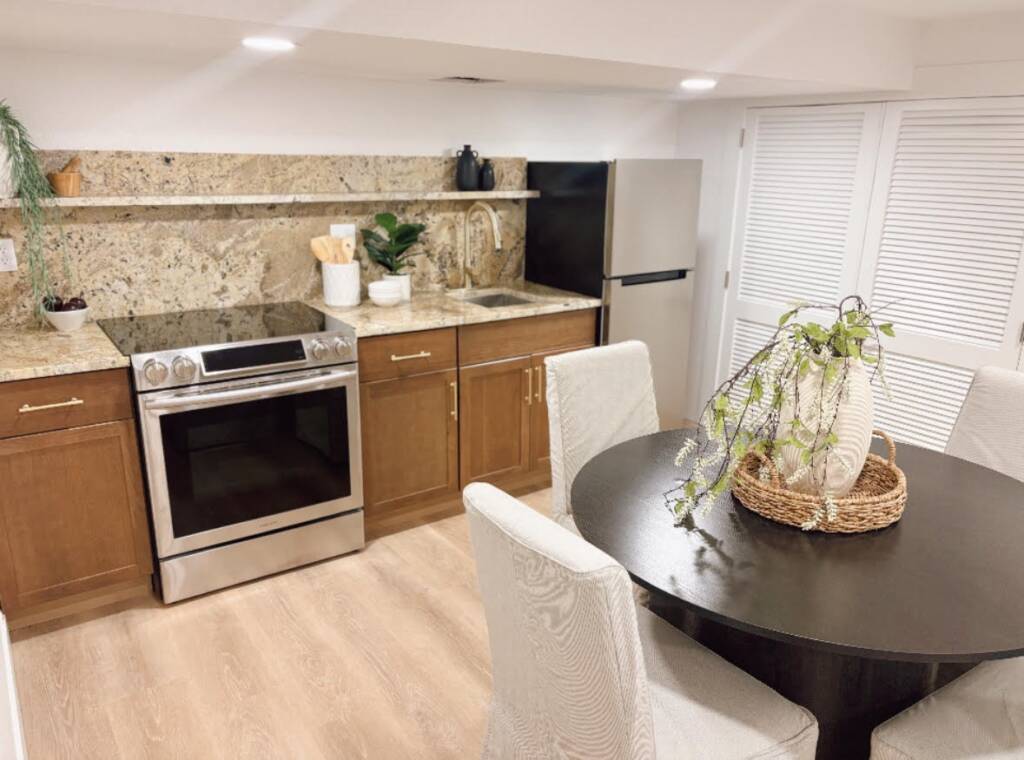
Across Denver and Colorado, homeowners are increasingly choosing natural stone surfaces such as quartz and granite to create kitchens and bathrooms that feel modern, elegant, and built to last.

Why Countertop Upgrades Make Such a Noticeable Impact

Countertops play a central role in both kitchens and bathrooms. They are among the most frequently used surfaces in a home and among the first features people notice when entering a room.

When countertops become worn, stained, or outdated, they can make the entire space feel older than it actually is. Replacing them with high-quality materials can refresh the environment and improve day-to-day functionality.

Key benefits of upgrading countertops include:

  • Improved visual appeal
    Modern quartz or granite surfaces bring a clean and contemporary look to kitchens and bathrooms.
  • Greater durability
    Natural stone and engineered surfaces are built to handle daily use, heat, moisture, and spills.
  • Higher home value
    Updated kitchens and bathrooms are among the most desirable upgrades for homeowners and potential buyers.
  • Better functionality
    Custom countertop fabrication allows for precise fitting around sinks, appliances, and cabinetry.

These improvements are often most visible when homeowners compare before and after kitchen countertop remodel results or bathroom vanity countertop upgrades.

Before & After Countertop Installations Kitchen Transformations

kitchen countertop transformations

Kitchen renovations often produce the most dramatic changes. Many older homes still have laminate or tile countertops that no longer match modern cabinetry or appliances.

Before the Kitchen Upgrade

Before installation, homeowners frequently experience issues such as:

  • Scratched or stained laminate countertops
  • Dated colors that no longer match the kitchen cabinets
  • Uneven surfaces from years of wear
  • Limited durability for cooking and meal preparation

These surfaces may still function, but they often prevent the kitchen from reaching its full design potential.

After the Installation

Once new countertops are installed, the entire kitchen can feel refreshed and more practical for everyday use.

Common results include:

  • Bright, polished kitchen surfaces that reflect light and create a clean appearance
  • Durable stone countertops designed for long-term cooking and entertaining
  • Improved kitchen workflow with custom-fit installations around appliances
  • A cohesive kitchen design that blends cabinets, backsplashes, and surfaces

A modern kitchen countertop transformation often becomes the centerpiece of the entire room, helping homeowners enjoy both better functionality and improved style.

Before & After Countertop Installations Bathroom Transformations

Bathrooms may be smaller than kitchens, but countertop upgrades can still make a powerful difference.

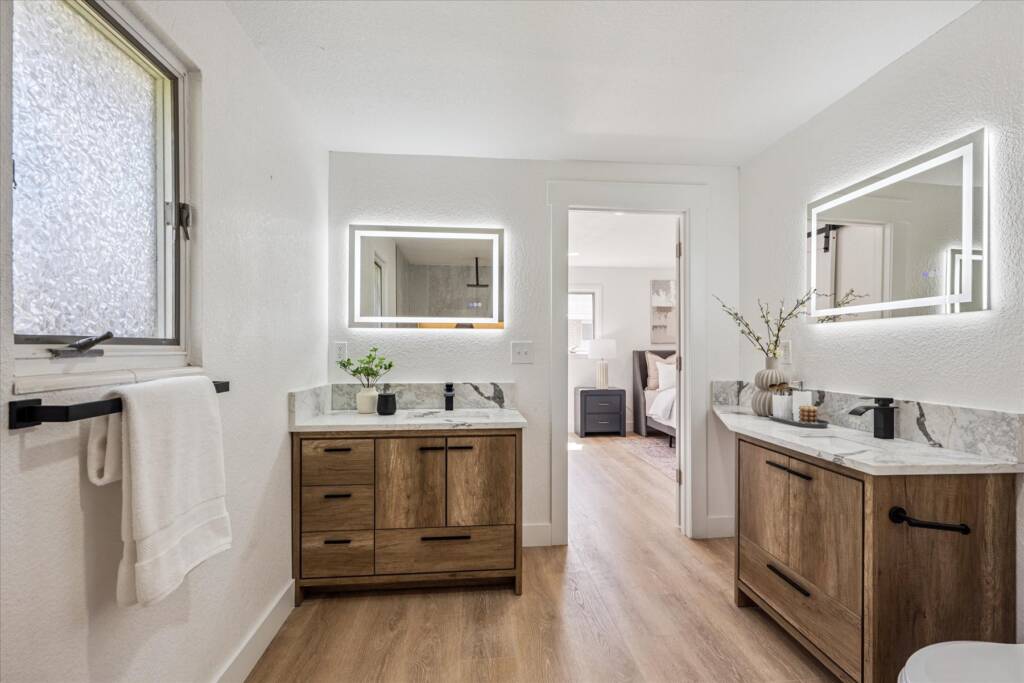
bathroom countertop

Because bathrooms deal with frequent moisture, soap residue, and daily use, the quality of the countertop material becomes especially important.

Before the Bathroom Upgrade

Older bathroom counters often show signs of wear, including:

  • Water damage or discoloration
  • Cracked or chipped surfaces
  • Outdated vanity materials
  • Designs that do not complement modern fixtures

These issues can make a bathroom feel tired even when other elements are well-maintained.

After the Installation

With modern stone surfaces and precise installation, bathrooms can achieve a more refined and functional appearance.

Typical improvements include:

  • Sleek and moisture-resistant surfaces
  • Better integration with sinks and vanities
  • Modern finishes that complement lighting and fixtures
  • A spa-like atmosphere for daily routines

Homeowners exploring bathroom countertop before and after remodel ideas often find that new surfaces dramatically improve the room’s overall feel.

Choosing the Right Countertop Materials

Selecting the right material is one of the most important decisions in a renovation project. Each option offers unique visual characteristics and performance benefits.

Popular countertop materials include:

Quartz

  • Non-porous and easy to maintain
  • Consistent patterns and colors
  • Highly durable for kitchens and bathrooms

Granite

  • Natural stone with distinctive patterns
  • Heat-resistant and durable
  • Ideal for homeowners who appreciate unique textures

Marble

  • Elegant appearance for classic interiors
  • Smooth surface with sophisticated veining
  • Often used for decorative spaces

Engineered Stone

  • Combines natural materials with modern technology
  • Durable and consistent design
  • Suitable for high-traffic areas

The right material depends on lifestyle needs, maintenance preferences, and the overall design of the home.

Why Professional Countertop Installation Matters

Even the best countertop material will not perform well if installation is done incorrectly. Precision measurement, cutting, and fitting are essential for a seamless final result.

Professional installation helps ensure:

  • Accurate countertop measurements
  • Proper alignment with cabinets and sinks
  • Smooth edges and clean seams
  • Long-lasting durability

Experienced fabrication and installation teams use specialized tools to create countertops that fit perfectly within each space.

Homeowners in Colorado often work with experienced specialists who understand how to design and install countertops that complement both modern and traditional homes. Companies such as PureStone Surfaces focus on precision fabrication and careful installation, helping bring custom kitchen and bathroom designs to life across Denver and surrounding communities.

How Countertop Transformations Improve Everyday Living

Beyond visual improvements, new countertops can enhance the way homeowners use their kitchens and bathrooms.

Some everyday benefits include:

  • Easier cleaning and maintenance
  • Better resistance to stains and moisture
  • More workspace for cooking and preparation
  • A more welcoming environment for family and guests

These practical advantages are why, before and after countertop installations, transformations continue to inspire homeowners planning renovations.

Bringing New Life to Your Kitchen or Bathroom

Countertop upgrades demonstrate how a focused renovation can significantly improve both design and functionality. Whether homeowners are planning a complete remodel or simply replacing worn surfaces, Before & After Countertop Installations provide a clear example of how impactful this upgrade can be.

From modern kitchens to refreshed bathrooms, new countertops create spaces that feel brighter, more durable, and better suited to everyday living. With the right materials, thoughtful design, and professional installation, a simple surface change can become one of the most rewarding improvements in a home.

Leave a comment

Professional Countertop Installation Services

Professional Countertop Installation Services in Colorado: What Homeowners Should Know

If you are a Colorado homeowner thinking about upgrading your kitchen or bathroom, countertops are one of the most impactful changes you can make. The right surface doesn’t just look stunning; it adds real value to your home. But finding trustworthy countertop installation services in Colorado can feel overwhelming, especially with so many material options, contractors, and price points to consider. 

This guide walks you through everything you need to know before making your decision.

Why Countertop Upgrades Are Worth the Investment

Countertops are among the hardest-working surfaces in any home. They handle everything from meal prep and hot cookware to daily cleaning routines. Beyond function, they are a major visual anchor in kitchens and bathrooms. A well-chosen and professionally installed countertop can:

•  Increase your home’s resale value

•  Improve the overall aesthetic and feel of a room

•  Reduce long-term maintenance costs with the right material

• Make daily tasks more comfortable and efficient

Whether you are renovating a single bathroom vanity or a full kitchen remodel, investing in professional countertop installation services in Colorado pays off in the long run.

Popular Countertop Materials for Colorado Homes

Colorado’s climate, dry air, altitude, and temperature swings can actually influence which countertop material is the best fit for your home. Here’s a quick look at the most popular choices:

  1. Granite Countertops

Granite remains one of the most sought-after natural stone options. It’s heat-resistant, scratch-resistant, and each slab is completely unique. For homeowners who want that high-end, natural look, granite countertop installation is a classic choice. It does require periodic sealing to stay protected, but it’s built to last decades.

  1. Quartz Countertops

Engineered quartz has taken the market by storm, and for good reason. It combines the beauty of natural stone with the durability of an engineered surface. Quartz is non-porous, meaning it doesn’t need sealing and resists staining better than most natural stones. If you have kids, pets, or a busy household, quartz countertop installation might be the smartest choice for your Colorado home.

  1. Marble Countertops

Marble brings timeless elegance to any space. It’s particularly popular in bathrooms and as kitchen islands. While marble does require more careful maintenance, it can be etched by acidic substances; proper sealing and care keep it looking beautiful for years. If you love a luxurious aesthetic and are willing to give it a little extra attention, marble countertop installation is worth every penny.

How to Choose the Right Countertop Installation Service in Colorado

Not all contractors are created equal. When it comes to countertop installation in Colorado, here’s what to look for before you hire anyone:

  • Experience and Specialization: Look for a company that specializes in stone and surface installation, not just a general contractor who occasionally does countertops. Specialists have the right tools, cutting equipment, and expertise to handle precision cuts, edge profiles, and seam placement properly.

  • Portfolio and Reviews: Always ask to see previous work. A reputable countertop installation company should have a portfolio of completed projects and a strong track record of positive reviews. Look at Google reviews, Houzz profiles, and any before-and-after photos they can share.

  • Accurate Measurement and Templating: Professional countertop installation always starts with precise templating. This is where technicians come to your home, measure your existing cabinetry or space, and create exact templates for fabrication. Skipping or rushing this step leads to costly mistakes, gaps, uneven seams, or countertops that simply don’t fit.

What to Expect During the Installation Process

Many homeowners are curious about how countertop installation actually works. Here’s a simple breakdown of what typically happens:

  • Consultation & Material Selection: You choose your material, color, edge profile, and finish.
  • In-Home Measurement: Technicians template your space with precision tools.
  •  Fabrication: Your slab is cut and finished at a fabrication shop.
  •  Installation Day: The countertop is delivered, fitted, and secured in place.
  • Sealing & Final Inspection: The surface is sealed (if required) and inspected for quality.

The whole process, from consultation to completed installation, typically takes one to three weeks, depending on material availability and your project scope.

Why Local Countertop Installation Experts in Colorado Make a Difference

Hiring a local Colorado countertop installation company comes with real advantages. Local professionals understand regional building styles, design trends popular in Colorado homes, and can provide faster service without the delays that come with out-of-state companies. 

They are also easier to reach for follow-up questions, warranty work, or future projects.

Plus, local businesses genuinely care about their community reputation. They are not just passing through; they want your referral and your five-star review. That accountability leads to better workmanship and more attentive customer service from start to finish.

Final Tips Before You Book Your Countertop Installation

  • Get at least two to three quotes before deciding.
  • Always ask about warranties on both materials and labor.
  • Confirm that the company is licensed and insured in Colorado.
  • Don’t choose based on price alone; quality installation matters more in the long run.
  • Ask about turnaround time so your kitchen or bathroom isn’t out of commission longer than needed.

Ready to transform your kitchen or bathroom? Pure Stone Surfaces offers professional countertop installation services in Colorado backed by craftsmanship, quality materials, and a team that genuinely cares about getting it right. 

Visit us at PureStone Surfaces to learn more or schedule your consultation today.

Leave a comment

Custom Bathroom Countertops

Custom Bathroom Countertops: Materials, Costs & Design Ideas (2026 Guide)

Bathroom countertops play an essential role in both the functionality and style of a bathroom. From daily water exposure to cleaning products and constant use, these surfaces must be durable while maintaining their appearance over time. When planning custom bathroom countertops, homeowners need to consider the material, installation quality, and long-term maintenance.

This guide explores the most important aspects of custom bathroom countertops, materials, costs, and design ideas, helping homeowners make informed decisions. 

Whether you are renovating a small guest bathroom or designing a new master suite, understanding the options available can help you choose a countertop that performs well and enhances the overall space.

Custom Bathroom Countertops Materials: Choosing the Right Surface

Selecting the right material is one of the most important decisions when planning custom vanity countertops. The material you choose will affect durability, maintenance, cost, and overall appearance.

Below are some of the most popular materials used for bathroom vanity tops.

Quartz

Quartz is an engineered stone made from crushed quartz particles combined with resins. It is one of the most popular choices for bathroom countertops because it is non-porous, stain-resistant, and very durable.

Key advantages include:

  • Resistant to moisture and bacteria
  • No sealing required
  • Available in many colors and patterns
  • Consistent appearance

This is often recommended for busy bathrooms because it requires minimal maintenance while offering a refined look.

Granite

Granite is a natural stone valued for its durability and unique patterns. Each slab has its own natural variations, giving granite countertops a distinctive appearance.

Benefits of granite include:

  • Strong resistance to heat and scratches
  • Natural beauty with unique patterns
  • Good performance in humid environments

This material typically requires periodic sealing to maintain stain resistance, but it remains a reliable option for many bathroom renovation projects.

Marble

Marble has long been associated with luxury interiors. Its elegant veining and timeless appeal make it a popular choice for master bathrooms and decorative vanity areas.

However, marble is more porous than other materials and may require extra care. Regular sealing and gentle cleaning help maintain its appearance.

It is best suited for homeowners who value aesthetics and are comfortable performing occasional maintenance.

Quartzite

Quartzite is often confused with quartz, but it is actually a natural stone formed through intense heat and pressure. It offers a marble-like appearance with greater hardness and durability.

Quartzite countertops:

  • Provides strong scratch resistance
  • Maintain natural stone beauty
  • Require sealing similar to granite

For homeowners seeking natural stone with improved durability, quartzite is an excellent option.

Porcelain

Porcelain slabs have grown significantly in popularity for modern bathrooms. These surfaces are highly resistant to moisture, staining, and heat.

Advantages include:

  • Extremely low maintenance
  • Lightweight compared to natural stone
  • Available in realistic marble or stone patterns

Porcelain is especially useful for bathrooms that experience frequent use or humidity.

Soapstone

Soapstone offers a distinctive matte finish and a smooth, natural feel. Unlike many natural stones, it is naturally non-porous, meaning it does not require sealing.

Over time, soapstone develops a soft patina that many homeowners appreciate. It works particularly well in classic, rustic, or artisan-style bathrooms.

Custom Bathroom Countertops Costs: What Affects the Price

Understanding custom bathroom countertops costs helps homeowners plan their renovation budget more accurately. Several factors influence the final price of a countertop project.

1. Material Type: Material selection has the biggest impact on price. In Denver and across Colorado, average installed costs typically fall within these ranges:

    Quartz: $70 – $120 per sq. ft.

    Granite: $60 – $110 per sq. ft.

    Marble: $90 – $180 per sq. ft.

    Quartzite: $100 – $200+ per sq. ft.

    Porcelain: $60 – $120 per sq. ft.

    Soapstone: $80 – $150 per sq. ft.

    For most bathroom vanities, total installation costs may range between:

    $500 – $1,500 for a single vanity

    $1,200 – $3,500 for a double vanity

    Premium custom designs can exceed $4,000

    Prices may vary depending on fabrication complexity, material grade, and installation requirements.

    2. Fabrication and Edge Profiles: Fabrication includes cutting the slab to fit the vanity, creating sink openings, and shaping edge profiles. Basic edges cost less, while decorative edges such as ogee or mitered designs increase fabrication time and price.

    3. Vanity Size and Layout: A small vanity countertop requires less material and labor than a larger double-sink design. Custom layouts, unusual angles, or integrated sink designs also increase fabrication complexity.

    4. Removal of Existing Countertops: If an existing countertop must be removed before installation, demolition and disposal may add to the project cost.

    5. Installation Labor: Professional installation includes setting the slab, sealing natural stone surfaces, filling seams, and securing the countertop to the vanity structure.

    Working with experienced fabricators is important to ensure proper fit and long-term durability.

    For homeowners in Denver, working with an experienced countertop fabricator can help ensure accurate templating and a smooth installation process. PureStone Surfaces specializes in precision countertop fabrication and installation for kitchens and bathrooms, helping homeowners achieve a clean fit and durable finish tailored to their design goals.

    How Bathroom Countertop Installation Works

    Understanding the installation process helps homeowners plan their renovation timeline and avoid unexpected delays.

    1.On-Site Measurement and Templating

            A professional fabricator visits the home to take precise measurements of the vanity and surrounding walls. Accurate templating ensures the countertop fits perfectly.

            2. Slab Selection

              For natural stone materials such as granite or marble, homeowners are encouraged to view the actual slab before fabrication. Each slab has unique veining and color variations.

              3. Fabrication

                The slab is cut to match the template dimensions. Sink cutouts and edge profiles are created during this stage. Fabrication typically takes 5–10 business days, depending on complexity.

                4. Installation

                  During installation, the countertop is carefully placed on the vanity cabinet, seams are sealed, and caulking is applied to protect against moisture.

                  Natural stone surfaces are sealed during installation, while materials like quartz and porcelain require no sealing.

                  Custom Bathroom Countertops Design Ideas for 2026

                  Bathroom design trends continue to evolve, and countertops often serve as the centerpiece of the vanity area. Here are several custom bathroom countertops design ideas gaining popularity in 2026.

                  Honed Stone Finishes

                  Matte or honed finishes create a softer, more natural appearance compared to high-gloss polished surfaces. They also help hide water spots and fingerprints more effectively.

                  Waterfall Countertop Edges: Waterfall edges extend the countertop material vertically down the side of the vanity, creating a seamless and contemporary look. This design works particularly well with bold stone patterns.

                  Integrated Sink Designs: Integrated sinks are carved from the same slab as the countertop, creating a seamless surface with no visible joints between the basin and vanity top.

                  This design enhances both appearance and ease of cleaning

                  Dark Stone Countertops: Deep charcoal, navy, and forest green stone surfaces are becoming more popular in modern bathroom designs. When paired with wood cabinetry or brass fixtures, darker countertops add depth and sophistication.

                  Natural Stone Feature Pieces: Some homeowners are choosing dramatic marble or quartzite slabs as focal points in luxury bathroom renovations. The natural veining of these materials creates a unique visual impact.

                  Tips for Choosing the Right Bathroom Countertop

                  When planning a bathroom renovation, a few practical considerations can help ensure the best results.

                  • Match materials to your lifestyle. Busy family bathrooms benefit from durable and low-maintenance surfaces such as quartz or porcelain.
                  • View natural stone slabs in person. Each slab is unique, so seeing the exact material helps avoid surprises.
                  • Request detailed quotes. Separating material, fabrication, and installation costs allows for accurate comparisons.
                  • Understand maintenance requirements. Some natural stones require periodic sealing to maintain durability.
                  • Work with experienced fabricators. Professional templating and installation ensure a precise fit and long-lasting performance.

                  Final Thoughts

                  Custom bathroom countertops can dramatically improve both the function and appearance of a bathroom. By understanding custom bathroom countertops materials, costs, and design ideas, homeowners can make informed decisions that balance durability, style, and long-term value.

                  Selecting the right material, planning for installation, and working with experienced professionals all contribute to a successful countertop project. With the right approach, a well-designed bathroom countertop can remain a beautiful and reliable feature in the home for many years.

                  FAQs

                  What is the best material for custom bathroom countertops?

                  Quartz and porcelain are among the most popular materials because they are non-porous, highly durable, and require minimal maintenance compared with natural stone options.

                  How much do custom bathroom countertops cost?

                  Costs vary depending on material, size, and fabrication complexity. In Denver and Colorado, most bathroom vanity countertops range between $500 and $3,500 installed, while premium natural stone projects can cost more.

                  Are natural stone countertops good for bathrooms?

                  Yes. Materials such as granite, marble, and quartzite can perform well in bathrooms when properly sealed and maintained.

                  How long does countertop installation take?

                  Once fabrication is complete, installation typically takes a few hours to one day, depending on the vanity size and project complexity.

                  Leave a comment

                  Pure Stone Surfaces

                  Granite or Quartz Countertops: Which One Should You Choose?

                  If you’ve spent any time shopping for countertops in Colorado, you’ve probably heard someone say “granite is timeless” and then heard someone else say “quartz is better for families” and walked away more confused than when you started.

                  Both are genuinely good options. The frustrating answer is that the right choice depends on how you actually use your kitchen, not on what’s trending or what your neighbor picked.

                  Let’s break it down properly.

                  What Granite Actually Is

                  Granite is a natural igneous stone, formed millions of years ago as molten rock cooled deep inside the earth. It’s quarried in large slabs from places like Brazil, India, and Italy, and no two slabs are ever the same. The variation in color, pattern, and mineral composition is what gives granite countertops their character.

                  Granite countertops Colorado homeowners choose tend to hold up well in this climate. Granite is heat-resistant, scratch-resistant, and chemically stable. You can set a hot pan on it without worrying. It doesn’t react to most household chemicals. And it won’t warp or shift with temperature changes.

                  The one thing granite does need is periodic sealing. It’s a porous stone, which means liquids can work their way in over time if the surface isn’t protected. A quality sealant applied every one to two years keeps it performing well. For most homeowners, that’s a ten-minute task once a year. Hardly a dealbreaker.

                  What Quartz Actually Is

                  Quartz countertops are an engineered product. Ground quartz mineral is combined with resins and pigments to create a uniform, non-porous surface. The result is a material that’s consistent in color and pattern from one end of the slab to the other, which some people love and others find a bit too perfect.

                  The biggest practical advantage of quartz is that it doesn’t require sealing. The manufacturing process creates a surface that resists staining and bacteria without any ongoing maintenance on your end. It’s also highly resistant to scratches.

                  Quartz countertops Colorado buyers appreciate that the consistency of the material makes it easier to match across a large kitchen or island installation. You don’t have to worry about veining patterns not lining up between slabs.

                  One thing to know about quartz: it’s not ideal for outdoor installations. Some quartz products can fade or degrade under UV exposure, which matters if you’re planning a covered patio kitchen or an area that gets a lot of direct sunlight. Natural stone handles those conditions better.

                  The Aesthetic Difference

                  This is personal, so take it with a grain of salt. Granite has an organic, one-of-a-kind quality that some people find beautiful and others find busy. Every slab is unique, which means you’re buying a natural object with all the variation that comes with that.

                  Quartz offers more design control. The engineered nature of the product means manufacturers can produce consistent colors, mimic the look of marble, or create subtle patterns that work in almost any kitchen. If you have a very specific vision for how your kitchen should look and you need predictability, quartz makes that easier.

                  Neither one looks cheap. Both photograph well. Both add real value to a home.

                  Cost Comparison

                  Pricing varies quite a bit depending on the specific material, the fabricator, and the complexity of your installation. Generally speaking, granite and quartz sit in a similar price range at the mid-tier level. Exotic granites with unusual coloring or rare origins will cost significantly more. Premium quartz brands can also push into high-end pricing.

                  The more meaningful cost conversation is often about long-term maintenance. Granite sealing costs almost nothing if you do it yourself. Professional sealing runs around $100 to $200 per application. Quartz has no maintenance cost to factor in at all.

                  Which One Is Right for You?

                  Choose granite if you love the look of natural stone, don’t mind the occasional sealing appointment, and want a surface with genuine heat resistance for an active cooking kitchen. Also, a good choice if you’re planning any outdoor countertop applications.

                  Choose quartz if you want zero maintenance, a consistent appearance across the entire installation, or if you have young kids and a kitchen that takes a lot of daily punishment. Also, a smart pick if you’re renovating to sell and want a surface that photographs cleanly and appeals to buyers broadly.

                  Pure Stone Surfaces in Colorado works with both materials and can walk you through the specific slabs available for your project. The best decision comes from seeing the actual material in person, not on a screen, and talking through how your kitchen gets used day to day. Their team can also help you understand how Colorado’s dry climate affects long-term performance for both stone types, which is worth factoring into your final call.

                  Leave a comment

                  The Ultimate Guide to Custom Kitchen Countertop Designs in Colorado

                  Walk into ten houses with granite countertops. You’ll see the same three patterns. That speckled beige. That black with white flecks. Maybe that reddish-brown if someone’s feeling adventurous.

                  Pure Stone Surfaces brings custom fabrication to people who want their kitchen to feel like theirs. Not a showroom display. Not their neighbor’s kitchen. Theirs. Award-winning precision. Timeless designs. The kind of craftsmanship where you notice the details.

                  What Custom Fabrication Actually Means

                  Custom Kitchen Countertops aren’t just about picking a slab color. That’s step one. Real custom means the fabricator considers your space how the veining flows across an L-shaped counter. Whether the pattern works with your backsplash. How the edge profile affects the overall look.

                  Mass production shops cut slabs to standard dimensions. Ship them out. Done. If the pattern doesn’t quite line up? Too bad. You get what you get. Stone countertops done properly require someone looking at your actual layout. Arranging templates. Planning where seams fall. Making sure the visual flow makes sense.

                  The Slab Selection Process

                  You don’t pick from photos online. You see actual slabs. In person. Under proper lighting.

                  Photos lie. That gorgeous white marble with grey veining? Might look completely different in your kitchen’s natural light. The color shifts. The veining pattern that looked delicate online could be overwhelming in real life.

                  Natural stone varies. Every slab is unique. What you see is literally what you get, that specific piece of stone, not “something similar.”

                  Engineered quartz offers more consistency. Pure Stone Surfaces quartz mimics marble aesthetics without the maintenance headaches. Through-body veining. Looks natural. Performs better than actual marble in busy kitchens.

                  Why Edge Profiles Matter More Than You Think

                  Most people obsess over stone color. Then pick a random edge profile without much thought.

                  Edge profiles dramatically change the countertop’s character. Sleek modern beveled edges. Traditional ogee profiles. Simple eased edges that let the stone shine. Wrong edge profile makes expensive stone look cheap. Right edge completes the design.

                  Good fabricators walk you through options. Show samples. Explain how different profiles work with different stone types and kitchen styles.

                  Undermount Sink Integration

                  Sink installation seems straightforward. Cut a hole. Drop the sink in. Right?

                  Except the way sinks attach to stone matters for longevity. Cheap installations use silicone adhesive. Works initially. Fails over time when water seepage weakens the bond. Professional installations use mechanical anchors. Steel brackets actually bolted into the stone. The sink cannot come loose. Water cannot compromise the attachment.

                  Reinforcement You Cannot See

                  Stone has thin areas near sinks and cooktops. Those narrow rails of material fronting or backing cutouts are structurally weaker than solid surface area.

                  Professional fabricators reinforce these areas. Threaded rods epoxied into channels cut in the stone’s underside. Dramatically increases flexural strength. Most customers never see this reinforcement. It’s underneath. But it’s the difference between stone that lasts decades versus stone that cracks within years.

                  Backsplashes and Integrated Designs

                  Matching backsplash transforms the space. Not matching it makes countertops feel incomplete.

                  Full-height backsplashes. Short four-inch profiles. Dramatic book-matched slabs extending up the wall. Options vary based on budget and design goals. Getting the pattern to flow naturally from counter to backsplash requires planning during template layout. Cannot be an afterthought.

                  Bathroom Vanities Deserve the Same Attention

                  Kitchen countertops get all the attention. Bathroom vanities get whatever’s left over. Wrong approach. Bathrooms are smaller. Stone patterns more visible. Details matter more, not less. Plus bathrooms have different requirements. Standing water around sinks. Makeup and cosmetics. Different cleaning products. Stone selection and sealing needs consideration.

                  The Installation Timeline

                  Kitchen Countertop Installation typically takes two to four weeks from slab selection to completion. Template creation happens first, usually after cabinets are installed. Then cutting, polishing, edge profiling, and reinforcement all happen in the fabrication shop. Installation day is just mounting the finished pieces.

                  Sealing and Maintenance

                  Natural stone needs sealing. Granite annually usually. Marble more frequently, especially in kitchens. Quartzite varies by stone. Engineered quartz doesn’t require sealing at all. Non-porous surface. Big advantage for busy households. Fabricators should explain maintenance upfront, not after installation when you’re wondering why your marble is staining.

                  What Quality Costs

                  Custom stone fabrication costs more than big-box store countertops. Obviously. You’re paying for craftsmanship. Proper reinforcement. Mechanical sink mounting. Thoughtful slab selection and layout. Experience that prevents problems.

                  Budget installations look fine initially. Problems emerge later. Cracks. Sink issues. Seam problems. Staining from improper sealing. Quality fabrication is an investment. But countertops last decades. Worth doing right.

                  Frequently Asked Questions

                  Q.1 How long does custom stone countertop fabrication and installation take?
                  Ans. Most projects take two to four weeks from slab selection to installation. Templates are created after cabinets are in, fabrication happens in the shop, and installation day is typically fast once everything is ready.

                  Q.2 Do I need to seal my stone countertops after installation?
                  Ans. Yes, for natural stone. Granite needs sealing annually, marble more frequently, and quartzite varies. Engineered quartz skips sealing entirely since its non-porous surface resists staining on its own.

                  Q.3 What is the difference between natural stone and engineered quartz countertops?
                  Ans. Natural stone is one-of-a-kind. Every slab is unique and what you pick is exactly what you get. Engineered quartz offers more consistency, mimics natural stone, and requires less maintenance, making it a practical choice for busy kitchens.

                  Q.4 Why does the edge profile matter when choosing countertops?
                  Ans. Edge profiles shape the entire character of your countertop. The wrong profile can make expensive stone look off. A good fabricator walks you through options to find one that fits your stone type and kitchen style.

                  Leave a comment

                  Countertop Installation Denver

                  Preparing for Your Countertop Installation Day

                  Getting new countertops changes your whole kitchen. Installation day goes smoother when you’ve prepped properly. Most homeowners scramble at the last minute, trying to clear space and move things around, then wonder why everything feels chaotic.

                  Countertop Installation Denver projects typically take most of a day, sometimes longer, depending on your kitchen’s size. That’s extended time without kitchen access. Planning ahead separates stressful days from smooth ones.

                  Clearing Your Kitchen Space

                  Your installers need room to work. Everything comes off the countertops. Coffee makers, toasters, knife blocks, decorative items, and plants. All of it relocates temporarily. Don’t pile everything on your dining table. Think about what you’ll actually need during installation.

                  Coffee drinkers might want a temporary station elsewhere. If you eat breakfast at home, plan where that’s happening. Empty lower cabinets near the work area, too. Installation involves heavy materials and tools. Vibrations happen.

                  Dust gets everywhere despite protective measures. Fragile items stored in cabinets directly below installation areas risk damage. Relocate them temporarily.

                  Protecting Your Belongings

                  Dust happens during countertop installation. Cutting, fitting, and sealing materials creates particles that travel further than expected. Remove items from open shelving near the kitchen. Cover furniture in adjacent rooms if your kitchen opens to other spaces.

                  Professional installers typically bring floor coverings and protective materials, but verify this beforehand. Heavy stone slabs moving through your house can scratch floors without proper precautions.

                  Consider air quality during installation. Some sealants and adhesives have odors. Open windows if the weather permits. Family members with respiratory sensitivities might spend the day elsewhere. Pets need to be secured away from the work area for safety.

                  Dealing With Old Countertops

                  Removing existing countertops creates debris. Lots of it. Professional installers usually handle removal and disposal, but verify beforehand. Some companies charge extra for haul-away.

                  Ask about the removal process. Will they need driveway access for disposal containers? Do you need to clear a path from the kitchen to outside?

                  Old countertops sometimes damage walls during removal, especially if heavily caulked or installed decades ago. You might discover issues hiding beneath those surfaces.

                  Water damage near sinks. Outdated plumbing. Cabinet problems were invisible before. Don’t panic – these issues are common and fixable.

                  Planning for Plumbing and Electrical

                  New countertops mean disconnecting your sink and possibly your cooktop if electric. Your kitchen will be non-functional during installation. No running water at your kitchen sink. No cooking if your stove gets disconnected.

                  Plan meals accordingly. Maybe today’s takeout day. If you’ve got young kids needing frequent water access, set up a temporary station in a bathroom with cups and paper towels.

                  Garbage disposals and dishwashers get disconnected and reconnected after the countertop installation completes. Sometimes small issues arise during reconnection. A leak that wasn’t there before. A disposal that doesn’t turn on immediately. Professional installers fix these problems.

                  Understanding the Timeline

                  Countertop installations take longer than people expect. Fabricators fit pieces precisely, make cutouts for sinks and fixtures, seal seams, and ensure everything sits level.

                  This process is methodical and can’t be rushed. Seams need curing time. Sealants need drying time.

                  Sinks get installed after countertops are secure.

                  Don’t plan anything important immediately after installation. Evening dinner parties are bad ideas. You might not have full kitchen use by evening, even if the installation technically finishes.

                  Faucets might need time to set. Sealants might need curing overnight.

                  Preparing Your Cabinets

                  New countertops only look as good as the cabinets supporting them. Before installation day, check that your cabinets are level and structurally sound.

                  Installers can shim cabinets if needed, but major structural issues should get addressed beforehand.

                  Heavy stone countertops stress cabinet boxes. If your cabinets are old or damaged, reinforce or replace them now.

                  Installing expensive stone on failing cabinets causes problems eventually.

                  Clean cabinet tops thoroughly before installation. Installers need clean, level surfaces for proper installation. Decades of grease and grime interfere with adhesion and leveling.

                  Communicating With Your Installer

                  Talk to your installation team before they arrive. Confirm timing. Verify they have the correct measurements.

                  Double-check sink and faucet specifications if you’re installing new fixtures. Miscommunication about these details causes delays.

                  Stay available during installation. Stuff comes up. The installers might have a question about how you want something positioned, or they might hit an unexpected issue that needs a quick decision from you.

                  You being around – or at least reachable by phone – keeps things moving instead of everyone standing around waiting.

                  Know who to contact if problems arise. Direct phone number for your installer or project manager. Don’t assume you can reach the right person through the main office number.

                  Making Your Space Accessible

                  Installers need clear paths from your driveway to your kitchen. Heavy materials are moving through your house.

                  Remove obstacles. Secure loose rugs. Move furniture blocking doorways. Protect walls in narrow hallways where materials might brush against them.

                  Think about parking. Installation crews need space for trucks and equipment. If you live somewhere with limited parking or need permits for commercial vehicles, handle this beforehand.

                  Weather matters for Denver installations. Snow and ice make carrying heavy stone slabs downright dangerous. If the installation’s scheduled during winter, clear and salt your walkways and driveway before they arrive. The last thing anyone needs is someone slipping while carrying a $2,000 piece of stone.

                  Setting Realistic Expectations

                  Your kitchen’s going to be a mess during installation. It takes time. Things get disrupted. Accept this upfront. The end result is worth the temporary inconvenience.

                  Installation rarely goes exactly as planned. Small delays happen. Unexpected issues arise. Materials don’t fit perfectly on the first try. These situations are normal. Professional installers handle them, but flexibility helps everyone stay calm.

                  Your new countertops might look slightly different from the samples once installed. Lighting in your kitchen differs from showroom lighting. Natural stone varies from slab to slab. These differences are normal characteristics.

                  After Installation Care

                  Installation finishes, but you’re not done. New countertops need proper care from day one.

                  Sealants need curing time before getting wet. Some materials need initial sealing before use. Your installer provides specific care instructions. Follow them.

                  Don’t immediately load countertops with everything you removed. Take time to clean items before putting them back. Reorganize thoughtfully. You’ve got fresh surfaces. Treat them right from the start.

                  Preparing properly for countertop installation day isn’t complicated, but it requires thinking ahead. The effort you put into preparation creates smoother installation and better results.

                  Your kitchen gets disrupted either way. Preparation just makes that disruption manageable instead of chaotic.

                  Leave a comment

                  equipped kitchenette

                  Kitchen Design & Inspiration

                  Proin faucibus nec mauris a sodales, sed elementum mi tincidunt. Sed eget viverra egestas nisi in consequat. Fusce sodales augue a accumsan. Cras sollicitudin, ipsum eget blandit pulvinar. Integer tincidunt. Cras dapibus. Vivamus elementum semper nisi. Aenean vulputate eleifend tellus. Aenean leo ligula, porttitor eu, consequat vitae, eleifend ac, enim.

                  Sed ut perspiciatis, unde omnis iste natus error sit voluptatem accusantium doloremque laudantium, totam rem aperiam eaque ipsa, quae ab illo inventore veritatis et quasi architecto beatae vitae dicta sunt, explicabo.

                  At vero eos et accusam

                  Sed ut perspiciatis, unde omnis iste natus error sit voluptatem accusantium doloremque laudantium, totam rem aperiam eaque ipsa, quae ab illo inventore veritatis et quasi architecto beatae vitae dicta sunt.

                  Ut perspiciatis, unde omnis iste natus error sit voluptatem accusantium doloremque laudantium, totam rem aperiam eaque ipsa, quae ab illo inventore veritatis et quasi architecto beatae vitae dicta sunt, explicabo.

                  Sed ut perspiciatis, unde omnis iste natus error sit voluptatem accusantium doloremque laudantium, totam rem aperiam eaque ipsa, quae ab illo inventore veritatis et quasi architecto beatae vitae dicta sunt, explicabo.

                  Lorem ipsum dolor sit amet, consectetur adipisicing elit, sed do eiusmod tempor incididunt ut labore et dolore magna aliqua. Ut enim ad minim veniam, quis nostrud exercitation ullamco laboris nisi ut aliquip ex ea commodo consequat. Duis aute irure dolor in reprehenderit. Lorem ipsum dolor sit amet, consectetur adipiscing elit.

                  Curabitur varius eros et lacus rutrum consequat. Mauris sollicitudin enim condimentum, luctus justo non, molestie nisl.

                  Lorem ipsum dolor sit amet, consectetur adipisicing elit, sed do eiusmod tempor incididunt ut labore et dolore magna aliqua. Ut enim ad minim veniam, quis nostrud exercitation ullamco laboris nisi ut aliquip ex ea commodo consequat. Duis aute irure dolor in reprehenderit. Lorem ipsum dolor sit amet, consectetur adipiscing elit.

                  Individual approach to every project

                  Aenean et egestas nulla. Pellentesque habitant morbi tristique senectus et netus et malesuada fames ac turpis egestas. Fusce gravida, ligula non molestie tristique, justo elit blandit risus, blandit maximus augue magna accumsan ante. Duis id mi tristique, pulvinar neque at, lobortis tortor.

                  Lorem ipsum dolor sit amet, consectetur adipisicing elit, sed do eiusmod tempor incididunt ut labore et dolore magna aliqua. Ut enim ad minim veniam, quis nostrud exercitation ullamco laboris nisi ut aliquip ex ea commodo consequat. Duis aute irure dolor in reprehenderit. Lorem ipsum dolor sit amet, consectetur adipiscing elit.

                  Etiam vitae leo et diam pellentesque porta. Sed eleifend ultricies risus, vel rutrum erat commodo ut. Praesent finibus congue euismod. Nullam scelerisque massa vel augue placerat, a tempor sem egestas. Curabitur placerat finibus lacus.

                  Leave a comment