
If you’ve spent any time shopping for countertops in Colorado, you’ve probably heard someone say “granite is timeless” and then heard someone else say “quartz is better for families” and walked away more confused than when you started.
Both are genuinely good options. The frustrating answer is that the right choice depends on how you actually use your kitchen, not on what’s trending or what your neighbor picked.
Let’s break it down properly.
What Granite Actually Is
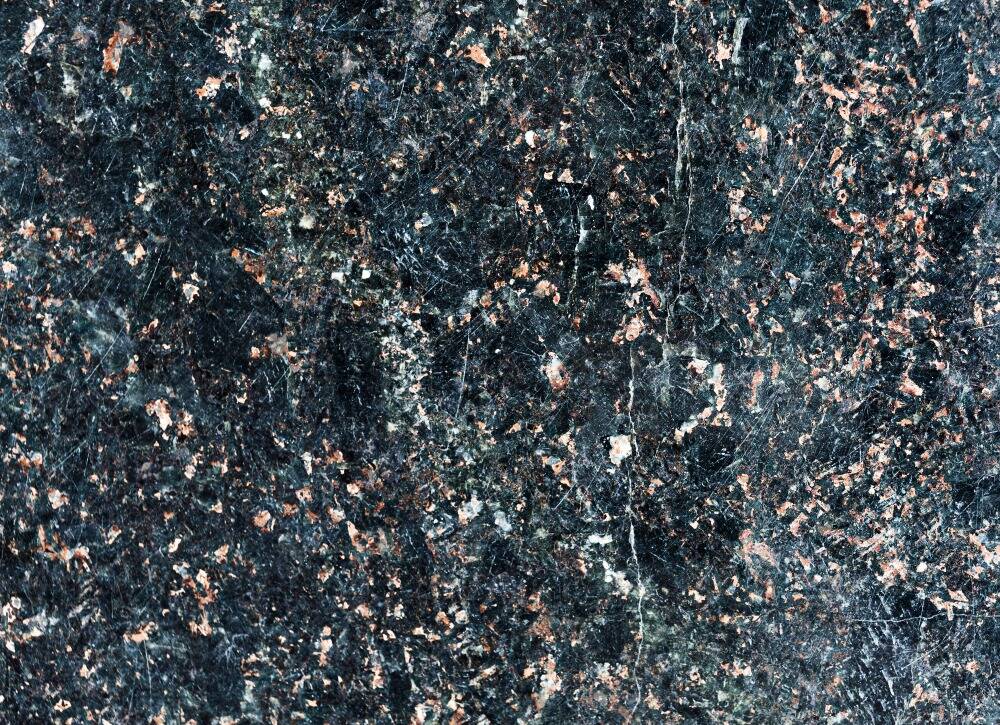
Granite is a natural igneous stone, formed millions of years ago as molten rock cooled deep inside the earth. It’s quarried in large slabs from places like Brazil, India, and Italy, and no two slabs are ever the same. The variation in color, pattern, and mineral composition is what gives granite countertops their character.
Granite countertops Colorado homeowners choose tend to hold up well in this climate. Granite is heat-resistant, scratch-resistant, and chemically stable. You can set a hot pan on it without worrying. It doesn’t react to most household chemicals. And it won’t warp or shift with temperature changes.
The one thing granite does need is periodic sealing. It’s a porous stone, which means liquids can work their way in over time if the surface isn’t protected. A quality sealant applied every one to two years keeps it performing well. For most homeowners, that’s a ten-minute task once a year. Hardly a dealbreaker.
What Quartz Actually Is
Quartz countertops are an engineered product. Ground quartz mineral is combined with resins and pigments to create a uniform, non-porous surface. The result is a material that’s consistent in color and pattern from one end of the slab to the other, which some people love and others find a bit too perfect.
The biggest practical advantage of quartz is that it doesn’t require sealing. The manufacturing process creates a surface that resists staining and bacteria without any ongoing maintenance on your end. It’s also highly resistant to scratches.
Quartz countertops Colorado buyers appreciate that the consistency of the material makes it easier to match across a large kitchen or island installation. You don’t have to worry about veining patterns not lining up between slabs.
One thing to know about quartz: it’s not ideal for outdoor installations. Some quartz products can fade or degrade under UV exposure, which matters if you’re planning a covered patio kitchen or an area that gets a lot of direct sunlight. Natural stone handles those conditions better.
The Aesthetic Difference
This is personal, so take it with a grain of salt. Granite has an organic, one-of-a-kind quality that some people find beautiful and others find busy. Every slab is unique, which means you’re buying a natural object with all the variation that comes with that.
Quartz offers more design control. The engineered nature of the product means manufacturers can produce consistent colors, mimic the look of marble, or create subtle patterns that work in almost any kitchen. If you have a very specific vision for how your kitchen should look and you need predictability, quartz makes that easier.
Neither one looks cheap. Both photograph well. Both add real value to a home.
Cost Comparison
Pricing varies quite a bit depending on the specific material, the fabricator, and the complexity of your installation. Generally speaking, granite and quartz sit in a similar price range at the mid-tier level. Exotic granites with unusual coloring or rare origins will cost significantly more. Premium quartz brands can also push into high-end pricing.
The more meaningful cost conversation is often about long-term maintenance. Granite sealing costs almost nothing if you do it yourself. Professional sealing runs around $100 to $200 per application. Quartz has no maintenance cost to factor in at all.
Which One Is Right for You?
Choose granite if you love the look of natural stone, don’t mind the occasional sealing appointment, and want a surface with genuine heat resistance for an active cooking kitchen. Also, a good choice if you’re planning any outdoor countertop applications.
Choose quartz if you want zero maintenance, a consistent appearance across the entire installation, or if you have young kids and a kitchen that takes a lot of daily punishment. Also, a smart pick if you’re renovating to sell and want a surface that photographs cleanly and appeals to buyers broadly.
Pure Stone Surfaces in Colorado works with both materials and can walk you through the specific slabs available for your project. The best decision comes from seeing the actual material in person, not on a screen, and talking through how your kitchen gets used day to day. Their team can also help you understand how Colorado’s dry climate affects long-term performance for both stone types, which is worth factoring into your final call.