
Skip to content Skip to sidebar Skip to footer
Soapstone Countertops Denver

Soapstone Countertops in Colorado: Benefits, Maintenance & Design Tips

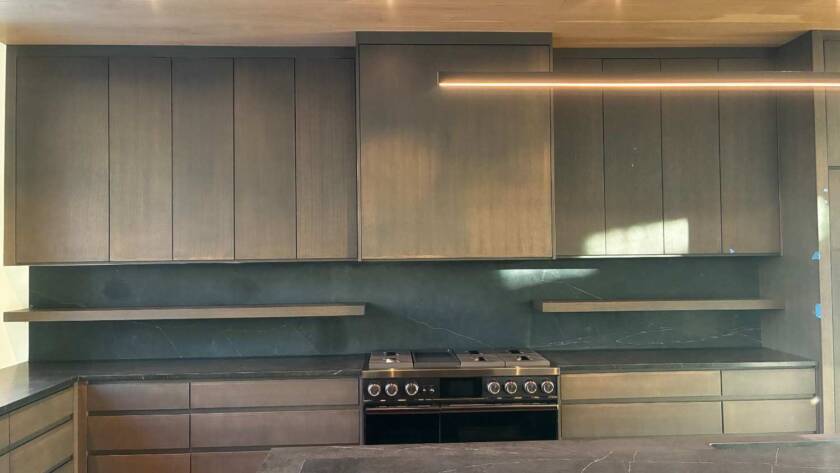
Choosing the right countertop material is an important decision for any homeowner. If you are exploring soapstone kitchen countertops or planning to upgrade to soapstone bathroom countertops, this natural stone offers a balance of durability, elegance, and practicality. Popular across Denver and the surrounding areas, soapstone is known for its smooth texture, rich color variations, and long-lasting performance.

In this guide, we will walk through the key benefits, maintenance tips, and design ideas to help you decide if soapstone is the right fit for your home.

Why Soapstone Countertops Are Popular in Colorado Homes

Colorado homeowners often look for materials that can handle temperature changes, daily use, and long-term durability. Soapstone stands out as a reliable natural stone surface that performs well in both kitchens and bathrooms.

Key reasons for its growing popularity:
  • Naturally dense and durable
  • Resistant to heat and stains
  • Suitable for both modern and traditional designs
  • Ages beautifully over time

Unlike some other natural stone countertops, soapstone develops a soft patina that enhances its character, making it a preferred choice for homeowners seeking a timeless look.

Benefits of Soapstone Kitchen and Bathroom Countertops

1. Durability for Everyday Use

Soapstone is a non-porous material, which means it resists stains, bacteria, and moisture. This makes it an excellent option for both kitchens and bathrooms, where surfaces are frequently used.

2. Heat Resistance

One of the biggest advantages of soapstone kitchen countertops is their ability to handle heat. Hot pots and pans can be placed directly on the surface without causing damage, which is especially useful in busy kitchens.

3. Low Maintenance Requirements

Compared to materials like granite or marble, soapstone requires minimal upkeep. It does not need sealing, and routine cleaning is simple with mild soap and water.

4. Natural Aesthetic Appeal

Soapstone offers a soft, matte finish with subtle veining. Over time, the surface darkens slightly, giving it a richer and more refined appearance.

5. Versatility in Design

From rustic farmhouse kitchens to modern bathroom vanities, soapstone adapts well to different styles. It pairs beautifully with wood cabinetry, white finishes, and even industrial elements.

Soapstone vs Other Countertop Materials

When comparing soapstone vs granite countertops or quartz surfaces, there are a few important differences to consider:

  • Soapstone: Non-porous, softer feel, develops patina
  • Granite: Requires sealing, more pattern variation
  • Quartz: Engineered, consistent look, less heat-resistant

Homeowners who look for a natural, low-maintenance option, soapstone strikes the right balance between performance and aesthetics.

Maintenance Tips for Soapstone Countertops

Keeping soapstone countertops in great condition is simple. Here are a few practical tips:

➨ Daily Cleaning

  • Use a soft cloth with mild soap and water
  • Avoid harsh chemical cleaners

➨ Managing Surface Changes

  • Light scratches can be sanded out easily
  • Mineral oil can be applied occasionally to enhance color

➨ Long-Term Care

  • No sealing required
  • Regular use naturally improves the surface appearance

These simple steps make soapstone a practical choice for homeowners who prefer low-maintenance materials.

Design Ideas for Soapstone Countertops

Whether you are updating a kitchen or designing a bathroom, soapstone offers flexibility in style.

Kitchen Design Ideas

  • Pair with white or light-colored cabinets for contrast
  • Combine with wood tones for a warm, natural look
  • Use as an island centerpiece for a bold statement

Bathroom Design Ideas

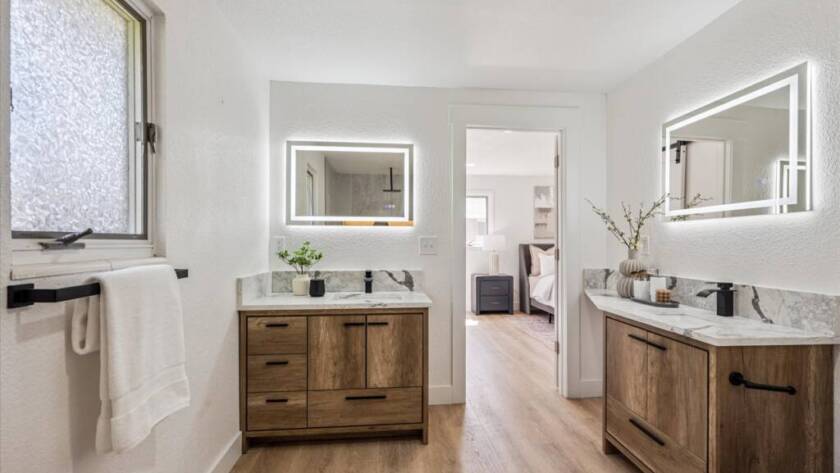
  • Ideal for vanity tops due to moisture resistance
  • Works well with modern fixtures and minimal designs
  • Complements both dark and light tile choices

Soapstone bathroom countertops Colorado homeowners choose often focus on clean, elegant layouts that highlight the stone’s natural texture.

Choosing the Right Soapstone Countertops in Denver

When selecting soapstone, it’s important to consider:

  • Slab variation and color tone
  • Thickness and edge profile
  • Installation quality

Working with experienced professionals ensures accurate fabrication and a proper fit for your space. Homeowners in Denver often look for specialists who understand both design preferences and installation precision.

PureStone Surfaces provides customized countertop solutions, helping bring design ideas to life while maintaining quality and attention to detail.

Is Soapstone the Right Choice for Your Home?

Soapstone is an excellent option for homeowners who value:

  • Natural materials
  • Long-term durability
  • Low maintenance
  • Unique, evolving appearance

It works particularly well in Colorado homes where both functionality and aesthetics are important.

Final Thoughts

For homeowners considering soapstone kitchen countertops Colorado or soapstone bathroom countertops Colorado, this material offers a thoughtful combination of beauty and practicality. Its durability, ease of maintenance, and timeless appeal make it a reliable choice for both kitchens and bathrooms.

With the right design approach and proper installation, soapstone can enhance your space for years to come.

Frequently Asked Questions

1. Are soapstone countertops a good choice for kitchens in Colorado?

Yes, soapstone countertops are a practical option for Colorado kitchens. They are naturally heat-resistant, non-porous, and durable, making them well-suited for daily cooking use. Many homeowners also appreciate their ability to handle temperature changes, which is beneficial in Colorado’s climate.

2. How do you maintain soapstone countertops?

Soapstone countertops are relatively low-maintenance. Daily cleaning can be done with mild soap and water. Some homeowners choose to apply mineral oil occasionally to enhance the stone’s natural color, but sealing is not required. Minor surface marks can often be smoothed out with light sanding.

3. What are the pros and cons of soapstone countertops compared to granite or quartz?

Soapstone is non-porous, heat-resistant, and requires less maintenance than granite, which typically needs sealing. Compared to quartz, soapstone offers a more natural and softer appearance but may develop a patina over time. The choice often depends on whether you prefer a natural, evolving look or a more uniform surface.

4. Are soapstone countertops suitable for bathroom vanities?

Yes, soapstone is a great option for bathroom countertops. Its non-porous nature makes it resistant to moisture and staining, which is ideal for bathroom environments. It also pairs well with a variety of design styles, from modern to classic.
Leave a comment

Countertop Installation Denver

Preparing for Your Countertop Installation Day

Getting new countertops changes your whole kitchen. Installation day goes smoother when you’ve prepped properly. Most homeowners scramble at the last minute, trying to clear space and move things around, then wonder why everything feels chaotic.

Countertop Installation Denver projects typically take most of a day, sometimes longer, depending on your kitchen’s size. That’s extended time without kitchen access. Planning ahead separates stressful days from smooth ones.

Clearing Your Kitchen Space

Your installers need room to work. Everything comes off the countertops. Coffee makers, toasters, knife blocks, decorative items, and plants. All of it relocates temporarily. Don’t pile everything on your dining table. Think about what you’ll actually need during installation.

Coffee drinkers might want a temporary station elsewhere. If you eat breakfast at home, plan where that’s happening. Empty lower cabinets near the work area, too. Installation involves heavy materials and tools. Vibrations happen.

Dust gets everywhere despite protective measures. Fragile items stored in cabinets directly below installation areas risk damage. Relocate them temporarily.

Protecting Your Belongings

Dust happens during countertop installation. Cutting, fitting, and sealing materials creates particles that travel further than expected. Remove items from open shelving near the kitchen. Cover furniture in adjacent rooms if your kitchen opens to other spaces.

Professional installers typically bring floor coverings and protective materials, but verify this beforehand. Heavy stone slabs moving through your house can scratch floors without proper precautions.

Consider air quality during installation. Some sealants and adhesives have odors. Open windows if the weather permits. Family members with respiratory sensitivities might spend the day elsewhere. Pets need to be secured away from the work area for safety.

Dealing With Old Countertops

Removing existing countertops creates debris. Lots of it. Professional installers usually handle removal and disposal, but verify beforehand. Some companies charge extra for haul-away.

Ask about the removal process. Will they need driveway access for disposal containers? Do you need to clear a path from the kitchen to outside?

Old countertops sometimes damage walls during removal, especially if heavily caulked or installed decades ago. You might discover issues hiding beneath those surfaces.

Water damage near sinks. Outdated plumbing. Cabinet problems were invisible before. Don’t panic – these issues are common and fixable.

Planning for Plumbing and Electrical

New countertops mean disconnecting your sink and possibly your cooktop if electric. Your kitchen will be non-functional during installation. No running water at your kitchen sink. No cooking if your stove gets disconnected.

Plan meals accordingly. Maybe today’s takeout day. If you’ve got young kids needing frequent water access, set up a temporary station in a bathroom with cups and paper towels.

Garbage disposals and dishwashers get disconnected and reconnected after the countertop installation completes. Sometimes small issues arise during reconnection. A leak that wasn’t there before. A disposal that doesn’t turn on immediately. Professional installers fix these problems.

Understanding the Timeline

Countertop installations take longer than people expect. Fabricators fit pieces precisely, make cutouts for sinks and fixtures, seal seams, and ensure everything sits level.

This process is methodical and can’t be rushed. Seams need curing time. Sealants need drying time.

Sinks get installed after countertops are secure.

Don’t plan anything important immediately after installation. Evening dinner parties are bad ideas. You might not have full kitchen use by evening, even if the installation technically finishes.

Faucets might need time to set. Sealants might need curing overnight.

Preparing Your Cabinets

New countertops only look as good as the cabinets supporting them. Before installation day, check that your cabinets are level and structurally sound.

Installers can shim cabinets if needed, but major structural issues should get addressed beforehand.

Heavy stone countertops stress cabinet boxes. If your cabinets are old or damaged, reinforce or replace them now.

Installing expensive stone on failing cabinets causes problems eventually.

Clean cabinet tops thoroughly before installation. Installers need clean, level surfaces for proper installation. Decades of grease and grime interfere with adhesion and leveling.

Communicating With Your Installer

Talk to your installation team before they arrive. Confirm timing. Verify they have the correct measurements.

Double-check sink and faucet specifications if you’re installing new fixtures. Miscommunication about these details causes delays.

Stay available during installation. Stuff comes up. The installers might have a question about how you want something positioned, or they might hit an unexpected issue that needs a quick decision from you.

You being around – or at least reachable by phone – keeps things moving instead of everyone standing around waiting.

Know who to contact if problems arise. Direct phone number for your installer or project manager. Don’t assume you can reach the right person through the main office number.

Making Your Space Accessible

Installers need clear paths from your driveway to your kitchen. Heavy materials are moving through your house.

Remove obstacles. Secure loose rugs. Move furniture blocking doorways. Protect walls in narrow hallways where materials might brush against them.

Think about parking. Installation crews need space for trucks and equipment. If you live somewhere with limited parking or need permits for commercial vehicles, handle this beforehand.

Weather matters for Denver installations. Snow and ice make carrying heavy stone slabs downright dangerous. If the installation’s scheduled during winter, clear and salt your walkways and driveway before they arrive. The last thing anyone needs is someone slipping while carrying a $2,000 piece of stone.

Setting Realistic Expectations

Your kitchen’s going to be a mess during installation. It takes time. Things get disrupted. Accept this upfront. The end result is worth the temporary inconvenience.

Installation rarely goes exactly as planned. Small delays happen. Unexpected issues arise. Materials don’t fit perfectly on the first try. These situations are normal. Professional installers handle them, but flexibility helps everyone stay calm.

Your new countertops might look slightly different from the samples once installed. Lighting in your kitchen differs from showroom lighting. Natural stone varies from slab to slab. These differences are normal characteristics.

After Installation Care

Installation finishes, but you’re not done. New countertops need proper care from day one.

Sealants need curing time before getting wet. Some materials need initial sealing before use. Your installer provides specific care instructions. Follow them.

Don’t immediately load countertops with everything you removed. Take time to clean items before putting them back. Reorganize thoughtfully. You’ve got fresh surfaces. Treat them right from the start.

Preparing properly for countertop installation day isn’t complicated, but it requires thinking ahead. The effort you put into preparation creates smoother installation and better results.

Your kitchen gets disrupted either way. Preparation just makes that disruption manageable instead of chaotic.

Leave a comment