Skip to content Skip to sidebar Skip to footer
7 Costly Mistakes in Commercial Countertops Installation

7 Costly Mistakes in Commercial Countertops Installation You Must Avoid

When designing or upgrading a commercial space, countertops are more than just a visual feature; they directly impact functionality, hygiene, and long-term efficiency. Whether it’s a restaurant, office, hotel, or retail store, investing in the right Commercial Countertops Installation plays a crucial role in daily operations and customer experience.
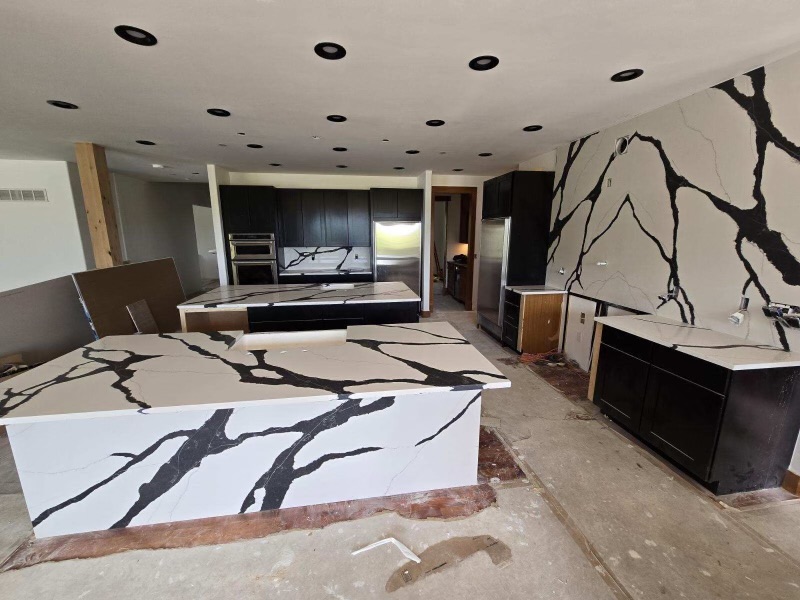
Commercial Countertops Installation

Businesses across the USA often overlook key factors during planning and installation, leading to costly mistakes. These errors can result in higher maintenance costs, reduced durability, and operational disruptions. In high-traffic environments, even small oversights can turn into major financial losses.

Based on industry experience, companies that invest in high-quality materials and professional installation see better performance, fewer repairs, and stronger long-term value. In this guide, we’ll explore the most common mistakes and how to avoid them.

Why Commercial Countertops Matter for Business Success

Commercial countertops must handle constant use, frequent cleaning, and exposure to heat, moisture, and chemicals. Unlike residential surfaces, they require a balance of durability, safety, and professional appearance.

From commercial kitchens to retail counters, choosing the right materials and installation approach ensures efficiency, hygiene, and long-lasting performance.

1. Choosing the Wrong Material for Your Business Needs

One of the most common mistakes is selecting materials based only on appearance rather than performance.

Different industries require different features. Restaurants need heat-resistant countertops, healthcare facilities depend on non-porous commercial surfaces for hygiene, and offices or retail spaces benefit from durable yet modern designs.

Quartz, granite, and solid surface materials are widely used in commercial countertop services. Quartz is known for being low-maintenance and stain-resistant. Granite offers exceptional durability and heat resistance, making it ideal for commercial kitchen countertops. Solid surface materials provide a seamless and hygienic finish, often preferred in healthcare environments.

Choosing the wrong material can lead to early damage, increased maintenance, and unnecessary costs.

2. Ignoring Workflow and Space Planning

Countertops are not just surfaces; they are essential to how your business operates. Poor planning can disrupt workflow and reduce efficiency.

For example, limited prep space in a commercial kitchen can slow down productivity, while poorly positioned counters in retail environments can affect customer interaction. Even small layout issues can create long-term operational challenges.

A well-planned commercial surface installation improves accessibility, efficiency, and overall usability.

3. Cutting Costs on Fabrication Quality

Trying to save money on countertop fabrication services often leads to bigger expenses later.

Low-quality fabrication can result in uneven edges, weak joints, and visible seams. In high-use environments, these flaws can quickly develop into cracks or structural damage.

Investing in professional fabrication ensures precision, durability, and a polished finish that enhances both performance and appearance.

4. Poor Installation Practices

Even high-quality materials can fail if they are not installed properly. Poor installation is one of the leading causes of countertop issues in commercial spaces.

Common problems include uneven surfaces, improper sealing, and weak adhesive application. These issues can lead to water damage, instability, and reduced lifespan.

Professional installers ensure that countertops are properly leveled, securely fitted, and capable of handling daily commercial use.

5. Overlooking Maintenance Requirements

Every material comes with specific maintenance needs, and ignoring them can lead to avoidable damage.

Some surfaces require periodic sealing, while others may react poorly to harsh cleaning products. High-traffic areas also demand consistent cleaning to maintain hygiene standards.

Choosing low-maintenance materials and understanding proper care routines can extend the life of your investment. Reliable Commercial Countertop Services providers can guide you in maintaining long-lasting commercial surfaces.

6. Not Considering Long-Term Durability

Focusing only on upfront costs can result in higher expenses over time. Commercial environments require surfaces that can withstand heavy usage without frequent repairs.

Key factors to consider include:

  • Resistance to heat, stains, and impact
  • Performance in high-traffic areas
  • Long-term maintenance requirements

Durable countertops for high-traffic areas, such as quartz and granite, offer better performance and reduce long-term costs. Investing in quality materials ensures reliability and long-term value.

7. Hiring Inexperienced Contractors

Hiring inexperienced contractors is one of the most costly mistakes in Commercial Countertops Installation. A lack of expertise can lead to poor workmanship, project delays, and budget overruns.

Experienced professionals understand the demands of commercial projects and follow industry standards. Licensed and insured commercial countertop contractors ensure proper installation, safety compliance, and long-lasting results.

How to Choose the Right Commercial Countertop Services in the USA

Choosing the right professionals is essential for a successful project. Businesses across the USA can benefit from understanding best practices in commercial countertop projects, while working with experienced local professionals ensures the best results.

When selecting a service provider, consider:

  • Proven experience in commercial projects
  • Knowledge of materials like quartz, granite, and solid surfaces
  • Strong portfolio and positive client feedback

Working with the right contractor ensures efficient execution and long-term performance.

Why Professional Commercial Countertop Services Matter

Working with experienced experts like PureStone Surfaces ensures that every stage of the project, from design to fabrication and installation, is handled with precision.

Professional Commercial Countertop Services help reduce costly mistakes, improve efficiency, and deliver high-quality results that meet commercial standards across the United States.

Conclusion

Investing in the right Commercial Countertops Installation is essential for creating a durable, functional, and professional commercial space.

If you are planning a commercial upgrade, working with experienced professionals ensures long-term durability and performance while helping you avoid costly mistakes.

By focusing on proper material selection, quality fabrication, expert installation, and skilled contractors, you can protect your investment and ensure long-term success. A strategic approach will not only enhance the appearance of your space but also improve efficiency and reliability.

Frequently Asked Questions

Q: What is the best material for commercial countertops?

The best material depends on your business needs. Quartz is ideal for low-maintenance environments, granite is perfect for heat-resistant applications like restaurants, and solid surfaces are preferred for hygienic commercial use.

Q: How long does commercial countertop installation take?

Most projects take anywhere from a few days to two weeks, depending on the size, design, and complexity of the installation.

Q: How much do commercial countertop services cost in the USA?

Costs vary depending on materials, project size, and customization. Investing in high-quality materials and professional installation ensures better durability and long-term value.

Q: Which countertops are best for high-traffic areas?

Durable commercial surfaces like quartz and granite are the best choices for high-traffic areas due to their strength, resistance to wear, and low maintenance requirements.

Q: How do I choose a commercial countertop contractor?

Look for experienced professionals with a strong portfolio, positive client reviews, and expertise in commercial projects. Choosing licensed and insured contractors ensures better quality and reliability.
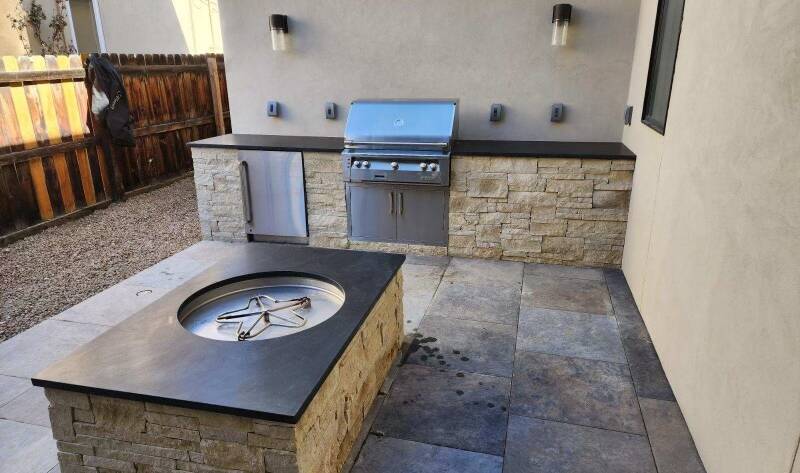
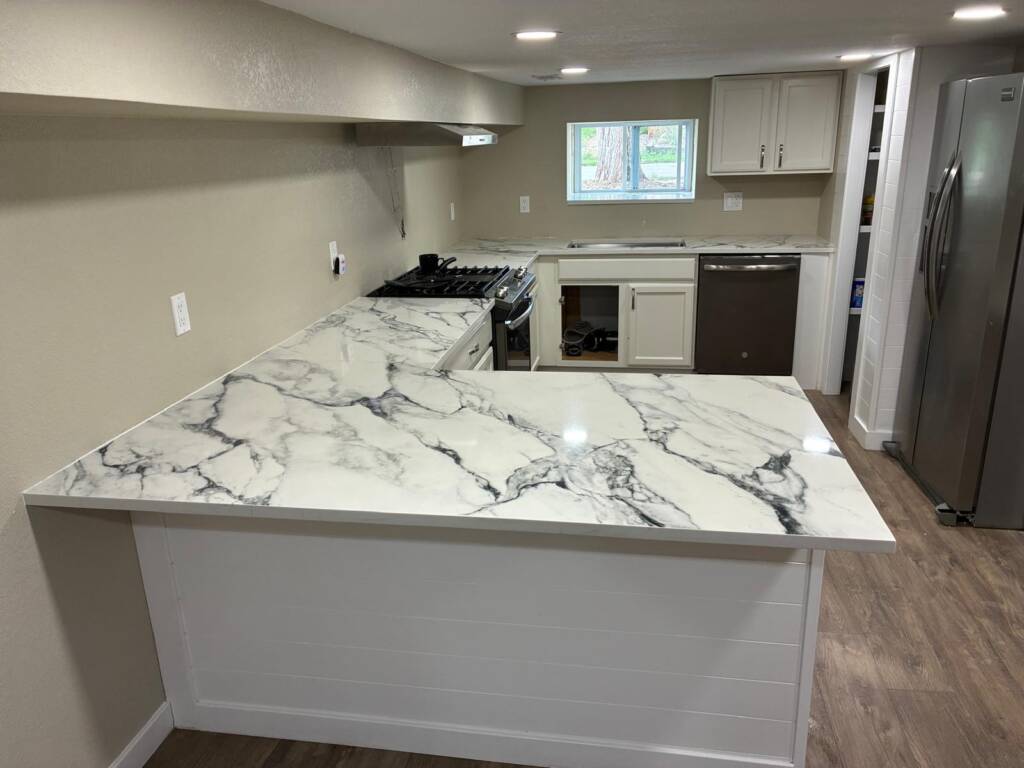
Leave a comment

Residential Countertops

How Residential Countertops Installation Transforms Modern Kitchens in 2026

In 2026, kitchens have evolved far beyond simple cooking spaces, they are now central hubs for daily living, entertaining, and even working from home. However, outdated countertops can reduce both functionality and overall home value. This is why Residential Countertops Installation has become one of the most important upgrades for homeowners across the USA.

Residential Countertops Installation

A professionally installed countertop not only enhances the visual appeal of your kitchen but also improves durability, hygiene, and efficiency. Whether you’re planning a renovation or looking for a smart upgrade, investing in modern kitchen countertops can completely transform your space.

Why Countertops Are Essential in Modern Kitchens

Countertops are one of the most frequently used surfaces in any home, playing a key role in both functionality and design.

What makes countertops important?

  • Used for cooking, food preparation, and dining
  • Defines kitchen layout and workflow
  • Impacts cleanliness and maintenance
  • Enhances overall kitchen aesthetics

A well-designed countertop creates a clean, efficient, and visually balanced kitchen, making everyday tasks more convenient and enjoyable.

Top Residential Countertop Trends in 2026

Kitchen design trends are constantly evolving, and countertops are leading the transformation in modern homes.

  • Quartz for Low-Maintenance Living

Quartz remains one of the best countertop materials for kitchens. It is non-porous, stain-resistant, and requires minimal maintenance, making it ideal for busy households.

  • Natural Stone Finishes

Granite and marble continue to offer timeless appeal. Neutral tones and subtle patterns are trending, giving kitchens a clean and elegant look.

  • Seamless and Waterfall Designs

Waterfall edges and seamless countertops create a sleek, high-end appearance that enhances modern kitchen aesthetics.

  • Eco-Friendly Countertop Materials

Sustainability is becoming a major factor, with homeowners choosing environmentally friendly and responsibly sourced materials.

  • Minimal Yet Bold Styles

Modern kitchens are embracing simplicity with occasional bold textures or statement colors, creating a unique yet balanced design.

4 Benefits of Professional Countertop Installation

Upgrading your countertops offers both functional and aesthetic advantages that go beyond appearance.

  1. Long-Lasting Durability

Modern materials are designed to resist heat, scratches, and daily wear, making them reliable for long-term use.

  1. Improved Hygiene and Cleanliness

Non-porous surfaces like quartz prevent bacteria buildup, ensuring a cleaner and safer kitchen environment.

  1. Better Space Utilization

Custom countertop installation improves workflow and maximizes usable workspace.

  1. Enhanced Kitchen Design

A professionally installed countertop creates a cohesive and polished look that ties the entire kitchen together.

How Much Does Countertop Installation Cost in the USA?

Understanding the cost of countertop installation helps homeowners plan their upgrades more effectively.

On average, Residential Countertops Installation in the USA costs between $2,000 and $5,000+, depending on:

  • Material selection (quartz, granite, marble, etc.)
  • Kitchen size and layout
  • Custom edge designs and finishes
  • Installation complexity

While the initial cost may vary, investing in high-quality countertop installation provides long-term value through durability, functionality, and increased home appeal.

Quartz vs Granite: Which Countertop Should You Choose?

Choosing between quartz and granite is one of the most important decisions when upgrading your kitchen.

Quartz countertops are known for their low-maintenance and modern appearance. As a non-porous material, quartz resists stains and does not require sealing, making it an excellent option for homeowners who want convenience and durability. Its consistent patterns also make it a popular choice for contemporary kitchen designs.

Granite countertops, on the other hand, are a natural stone option with unique patterns and textures. Each slab is different, giving your kitchen a one-of-a-kind look. Granite is extremely durable and naturally heat-resistant, making it ideal for those who cook frequently and prefer a more traditional style.

Key Differences:

  • Quartz requires minimal maintenance, while granite needs occasional sealing
  • Both materials are highly durable for daily use
  • Quartz offers a modern and uniform look, while granite provides natural variation
  • Quartz is more stain-resistant, while granite handles heat better

Ultimately, quartz is best for low-maintenance living, while granite is perfect for those who value natural beauty and heat resistance.

Step-by-Step Countertop Installation Process

Understanding the process helps ensure a smooth and stress-free experience.

  • Consultation and Planning: Evaluate your kitchen layout, design preferences, and functional needs
  • Material Selection: Choose from durable kitchen surfaces that match your style and budget
  • Precision Fabrication: Accurate measurements ensure a perfect fit and finish
  • Professional Installation: Skilled experts handle placement, alignment, and detailing
  • Final Inspection: Ensure everything meets quality and performance standards

Based on industry experience, professionally installed countertops last longer and perform better than DIY installations.

Common Mistakes to Avoid

Avoiding common mistakes can help you get the best results from your countertop investment.

  • Choosing materials based only on price
  • Ignoring maintenance requirements
  • Overlooking the kitchen workflow and layout
  • Hiring inexperienced installers

Making informed decisions ensures your countertops deliver both functionality and long-term value.

How New Countertops Increase Home Value

Upgrading your countertops is one of the most effective ways to improve your home’s value.

Modern kitchen countertops enhance both usability and visual appeal, making your home more attractive to buyers. In competitive markets, updated kitchens often sell faster and at higher prices.

Why Choose PureStone Surfaces?

PureStone Surfaces is known for precision countertop fabrication and high-quality craftsmanship. From kitchens to bathrooms and custom spaces, every project is completed with attention to detail and a focus on long-term performance.

What sets them apart:

  • Custom countertop solutions
  • High-quality materials
  • Precision fabrication
  • Experienced installation professionals
  • Focus on modern kitchen design

Their expertise ensures that every countertop installation enhances both style and functionality.

The Future of Modern Kitchen Countertops

Countertops are continuing to evolve with new materials and innovations.

Future trends include:

  • Enhanced heat and stain resistance
  • Smart countertop features
  • Fully customized designs
  • Advanced low-maintenance materials

These advancements highlight how countertops are becoming an essential part of modern kitchen living.

Final Thoughts

Residential Countertops Installation is one of the most impactful upgrades for modern kitchens in 2026. It improves durability, enhances hygiene, and elevates the overall design of your space.

By choosing high-quality materials and working with experienced professionals, you can create a kitchen that is both stylish and highly functional. Investing in professional countertop installation is a smart decision that delivers long-term value and transforms your home into a modern, efficient living space.

Frequently Asked Questions

Q: How long does countertop installation take?
A: Most installations are completed within 1 to 3 days, depending on the project size and complexity.

Q: What is the most durable countertop material?
A: Quartz is one of the most durable and low-maintenance options available today.

Q: Is countertop replacement worth it?
A: Yes, it improves functionality, enhances design, and increases overall home value.

Q: How do I choose the right countertop material?
A: Consider your budget, usage, maintenance needs, and design preferences before making a decision.

Q: What is the average lifespan of kitchen countertops?
A: Most countertops last between 10 and 30 years, depending on the material and maintenance.

Q: Can I install countertops myself?
A: Professional installation is recommended to ensure proper fitting, safety, and long-term durability.

Leave a comment

Soapstone Countertops Denver

Soapstone Countertops in Colorado: Benefits, Maintenance & Design Tips

Choosing the right countertop material is an important decision for any homeowner. If you are exploring soapstone kitchen countertops or planning to upgrade to soapstone bathroom countertops, this natural stone offers a balance of durability, elegance, and practicality. Popular across Denver and the surrounding areas, soapstone is known for its smooth texture, rich color variations, and long-lasting performance.

In this guide, we will walk through the key benefits, maintenance tips, and design ideas to help you decide if soapstone is the right fit for your home.

Why Soapstone Countertops Are Popular in Colorado Homes

Colorado homeowners often look for materials that can handle temperature changes, daily use, and long-term durability. Soapstone stands out as a reliable natural stone surface that performs well in both kitchens and bathrooms.

Key reasons for its growing popularity:
  • Naturally dense and durable
  • Resistant to heat and stains
  • Suitable for both modern and traditional designs
  • Ages beautifully over time

Unlike some other natural stone countertops, soapstone develops a soft patina that enhances its character, making it a preferred choice for homeowners seeking a timeless look.

Benefits of Soapstone Kitchen and Bathroom Countertops

1. Durability for Everyday Use

Soapstone is a non-porous material, which means it resists stains, bacteria, and moisture. This makes it an excellent option for both kitchens and bathrooms, where surfaces are frequently used.

2. Heat Resistance

One of the biggest advantages of soapstone kitchen countertops is their ability to handle heat. Hot pots and pans can be placed directly on the surface without causing damage, which is especially useful in busy kitchens.

3. Low Maintenance Requirements

Compared to materials like granite or marble, soapstone requires minimal upkeep. It does not need sealing, and routine cleaning is simple with mild soap and water.

4. Natural Aesthetic Appeal

Soapstone offers a soft, matte finish with subtle veining. Over time, the surface darkens slightly, giving it a richer and more refined appearance.

5. Versatility in Design

From rustic farmhouse kitchens to modern bathroom vanities, soapstone adapts well to different styles. It pairs beautifully with wood cabinetry, white finishes, and even industrial elements.

Soapstone vs Other Countertop Materials

When comparing soapstone vs granite countertops or quartz surfaces, there are a few important differences to consider:

  • Soapstone: Non-porous, softer feel, develops patina
  • Granite: Requires sealing, more pattern variation
  • Quartz: Engineered, consistent look, less heat-resistant

Homeowners who look for a natural, low-maintenance option, soapstone strikes the right balance between performance and aesthetics.

Maintenance Tips for Soapstone Countertops

Keeping soapstone countertops in great condition is simple. Here are a few practical tips:

➨ Daily Cleaning

  • Use a soft cloth with mild soap and water
  • Avoid harsh chemical cleaners

➨ Managing Surface Changes

  • Light scratches can be sanded out easily
  • Mineral oil can be applied occasionally to enhance color

➨ Long-Term Care

  • No sealing required
  • Regular use naturally improves the surface appearance

These simple steps make soapstone a practical choice for homeowners who prefer low-maintenance materials.

Design Ideas for Soapstone Countertops

Whether you are updating a kitchen or designing a bathroom, soapstone offers flexibility in style.

Kitchen Design Ideas

  • Pair with white or light-colored cabinets for contrast
  • Combine with wood tones for a warm, natural look
  • Use as an island centerpiece for a bold statement

Bathroom Design Ideas

  • Ideal for vanity tops due to moisture resistance
  • Works well with modern fixtures and minimal designs
  • Complements both dark and light tile choices

Soapstone bathroom countertops Colorado homeowners choose often focus on clean, elegant layouts that highlight the stone’s natural texture.

Choosing the Right Soapstone Countertops in Denver

When selecting soapstone, it’s important to consider:

  • Slab variation and color tone
  • Thickness and edge profile
  • Installation quality

Working with experienced professionals ensures accurate fabrication and a proper fit for your space. Homeowners in Denver often look for specialists who understand both design preferences and installation precision.

PureStone Surfaces provides customized countertop solutions, helping bring design ideas to life while maintaining quality and attention to detail.

Is Soapstone the Right Choice for Your Home?

Soapstone is an excellent option for homeowners who value:

  • Natural materials
  • Long-term durability
  • Low maintenance
  • Unique, evolving appearance

It works particularly well in Colorado homes where both functionality and aesthetics are important.

Final Thoughts

For homeowners considering soapstone kitchen countertops Colorado or soapstone bathroom countertops Colorado, this material offers a thoughtful combination of beauty and practicality. Its durability, ease of maintenance, and timeless appeal make it a reliable choice for both kitchens and bathrooms.

With the right design approach and proper installation, soapstone can enhance your space for years to come.

Frequently Asked Questions

1. Are soapstone countertops a good choice for kitchens in Colorado?

Yes, soapstone countertops are a practical option for Colorado kitchens. They are naturally heat-resistant, non-porous, and durable, making them well-suited for daily cooking use. Many homeowners also appreciate their ability to handle temperature changes, which is beneficial in Colorado’s climate.

2. How do you maintain soapstone countertops?

Soapstone countertops are relatively low-maintenance. Daily cleaning can be done with mild soap and water. Some homeowners choose to apply mineral oil occasionally to enhance the stone’s natural color, but sealing is not required. Minor surface marks can often be smoothed out with light sanding.

3. What are the pros and cons of soapstone countertops compared to granite or quartz?

Soapstone is non-porous, heat-resistant, and requires less maintenance than granite, which typically needs sealing. Compared to quartz, soapstone offers a more natural and softer appearance but may develop a patina over time. The choice often depends on whether you prefer a natural, evolving look or a more uniform surface.

4. Are soapstone countertops suitable for bathroom vanities?

Yes, soapstone is a great option for bathroom countertops. Its non-porous nature makes it resistant to moisture and staining, which is ideal for bathroom environments. It also pairs well with a variety of design styles, from modern to classic.

Leave a comment

Custom Bathroom Countertops

Custom Bathroom Countertops: Materials, Costs & Design Ideas (2026 Guide)

Bathroom countertops play an essential role in both the functionality and style of a bathroom. From daily water exposure to cleaning products and constant use, these surfaces must be durable while maintaining their appearance over time. When planning custom bathroom countertops, homeowners need to consider the material, installation quality, and long-term maintenance.

This guide explores the most important aspects of custom bathroom countertops, materials, costs, and design ideas, helping homeowners make informed decisions. 

Whether you are renovating a small guest bathroom or designing a new master suite, understanding the options available can help you choose a countertop that performs well and enhances the overall space.

Custom Bathroom Countertops Materials: Choosing the Right Surface

Selecting the right material is one of the most important decisions when planning custom vanity countertops. The material you choose will affect durability, maintenance, cost, and overall appearance.

Below are some of the most popular materials used for bathroom vanity tops.

Quartz

Quartz is an engineered stone made from crushed quartz particles combined with resins. It is one of the most popular choices for bathroom countertops because it is non-porous, stain-resistant, and very durable.

Key advantages include:

  • Resistant to moisture and bacteria
  • No sealing required
  • Available in many colors and patterns
  • Consistent appearance

This is often recommended for busy bathrooms because it requires minimal maintenance while offering a refined look.

Granite

Granite is a natural stone valued for its durability and unique patterns. Each slab has its own natural variations, giving granite countertops a distinctive appearance.

Benefits of granite include:

  • Strong resistance to heat and scratches
  • Natural beauty with unique patterns
  • Good performance in humid environments

This material typically requires periodic sealing to maintain stain resistance, but it remains a reliable option for many bathroom renovation projects.

Marble

Marble has long been associated with luxury interiors. Its elegant veining and timeless appeal make it a popular choice for master bathrooms and decorative vanity areas.

However, marble is more porous than other materials and may require extra care. Regular sealing and gentle cleaning help maintain its appearance.

It is best suited for homeowners who value aesthetics and are comfortable performing occasional maintenance.

Quartzite

Quartzite is often confused with quartz, but it is actually a natural stone formed through intense heat and pressure. It offers a marble-like appearance with greater hardness and durability.

Quartzite countertops:

  • Provides strong scratch resistance
  • Maintain natural stone beauty
  • Require sealing similar to granite

For homeowners seeking natural stone with improved durability, quartzite is an excellent option.

Porcelain

Porcelain slabs have grown significantly in popularity for modern bathrooms. These surfaces are highly resistant to moisture, staining, and heat.

Advantages include:

  • Extremely low maintenance
  • Lightweight compared to natural stone
  • Available in realistic marble or stone patterns

Porcelain is especially useful for bathrooms that experience frequent use or humidity.

Soapstone

Soapstone offers a distinctive matte finish and a smooth, natural feel. Unlike many natural stones, it is naturally non-porous, meaning it does not require sealing.

Over time, soapstone develops a soft patina that many homeowners appreciate. It works particularly well in classic, rustic, or artisan-style bathrooms.

Custom Bathroom Countertops Costs: What Affects the Price

Understanding custom bathroom countertops costs helps homeowners plan their renovation budget more accurately. Several factors influence the final price of a countertop project.

1. Material Type: Material selection has the biggest impact on price. In Denver and across Colorado, average installed costs typically fall within these ranges:

    Quartz: $70 – $120 per sq. ft.

    Granite: $60 – $110 per sq. ft.

    Marble: $90 – $180 per sq. ft.

    Quartzite: $100 – $200+ per sq. ft.

    Porcelain: $60 – $120 per sq. ft.

    Soapstone: $80 – $150 per sq. ft.

    For most bathroom vanities, total installation costs may range between:

    $500 – $1,500 for a single vanity

    $1,200 – $3,500 for a double vanity

    Premium custom designs can exceed $4,000

    Prices may vary depending on fabrication complexity, material grade, and installation requirements.

    2. Fabrication and Edge Profiles: Fabrication includes cutting the slab to fit the vanity, creating sink openings, and shaping edge profiles. Basic edges cost less, while decorative edges such as ogee or mitered designs increase fabrication time and price.

    3. Vanity Size and Layout: A small vanity countertop requires less material and labor than a larger double-sink design. Custom layouts, unusual angles, or integrated sink designs also increase fabrication complexity.

    4. Removal of Existing Countertops: If an existing countertop must be removed before installation, demolition and disposal may add to the project cost.

    5. Installation Labor: Professional installation includes setting the slab, sealing natural stone surfaces, filling seams, and securing the countertop to the vanity structure.

    Working with experienced fabricators is important to ensure proper fit and long-term durability.

    For homeowners in Denver, working with an experienced countertop fabricator can help ensure accurate templating and a smooth installation process. PureStone Surfaces specializes in precision countertop fabrication and installation for kitchens and bathrooms, helping homeowners achieve a clean fit and durable finish tailored to their design goals.

    How Bathroom Countertop Installation Works

    Understanding the installation process helps homeowners plan their renovation timeline and avoid unexpected delays.

    1.On-Site Measurement and Templating

            A professional fabricator visits the home to take precise measurements of the vanity and surrounding walls. Accurate templating ensures the countertop fits perfectly.

            2. Slab Selection

              For natural stone materials such as granite or marble, homeowners are encouraged to view the actual slab before fabrication. Each slab has unique veining and color variations.

              3. Fabrication

                The slab is cut to match the template dimensions. Sink cutouts and edge profiles are created during this stage. Fabrication typically takes 5–10 business days, depending on complexity.

                4. Installation

                  During installation, the countertop is carefully placed on the vanity cabinet, seams are sealed, and caulking is applied to protect against moisture.

                  Natural stone surfaces are sealed during installation, while materials like quartz and porcelain require no sealing.

                  Custom Bathroom Countertops Design Ideas for 2026

                  Bathroom design trends continue to evolve, and countertops often serve as the centerpiece of the vanity area. Here are several custom bathroom countertops design ideas gaining popularity in 2026.

                  Honed Stone Finishes

                  Matte or honed finishes create a softer, more natural appearance compared to high-gloss polished surfaces. They also help hide water spots and fingerprints more effectively.

                  Waterfall Countertop Edges: Waterfall edges extend the countertop material vertically down the side of the vanity, creating a seamless and contemporary look. This design works particularly well with bold stone patterns.

                  Integrated Sink Designs: Integrated sinks are carved from the same slab as the countertop, creating a seamless surface with no visible joints between the basin and vanity top.

                  This design enhances both appearance and ease of cleaning

                  Dark Stone Countertops: Deep charcoal, navy, and forest green stone surfaces are becoming more popular in modern bathroom designs. When paired with wood cabinetry or brass fixtures, darker countertops add depth and sophistication.

                  Natural Stone Feature Pieces: Some homeowners are choosing dramatic marble or quartzite slabs as focal points in luxury bathroom renovations. The natural veining of these materials creates a unique visual impact.

                  Tips for Choosing the Right Bathroom Countertop

                  When planning a bathroom renovation, a few practical considerations can help ensure the best results.

                  • Match materials to your lifestyle. Busy family bathrooms benefit from durable and low-maintenance surfaces such as quartz or porcelain.
                  • View natural stone slabs in person. Each slab is unique, so seeing the exact material helps avoid surprises.
                  • Request detailed quotes. Separating material, fabrication, and installation costs allows for accurate comparisons.
                  • Understand maintenance requirements. Some natural stones require periodic sealing to maintain durability.
                  • Work with experienced fabricators. Professional templating and installation ensure a precise fit and long-lasting performance.

                  Final Thoughts

                  Custom bathroom countertops can dramatically improve both the function and appearance of a bathroom. By understanding custom bathroom countertops materials, costs, and design ideas, homeowners can make informed decisions that balance durability, style, and long-term value.

                  Selecting the right material, planning for installation, and working with experienced professionals all contribute to a successful countertop project. With the right approach, a well-designed bathroom countertop can remain a beautiful and reliable feature in the home for many years.

                  FAQs

                  What is the best material for custom bathroom countertops?

                  Quartz and porcelain are among the most popular materials because they are non-porous, highly durable, and require minimal maintenance compared with natural stone options.

                  How much do custom bathroom countertops cost?

                  Costs vary depending on material, size, and fabrication complexity. In Denver and Colorado, most bathroom vanity countertops range between $500 and $3,500 installed, while premium natural stone projects can cost more.

                  Are natural stone countertops good for bathrooms?

                  Yes. Materials such as granite, marble, and quartzite can perform well in bathrooms when properly sealed and maintained.

                  How long does countertop installation take?

                  Once fabrication is complete, installation typically takes a few hours to one day, depending on the vanity size and project complexity.

                  Leave a comment