

When designing or upgrading a commercial space, countertops are more than just a visual feature; they directly impact functionality, hygiene, and long-term efficiency. Whether it’s a restaurant, office, hotel, or retail store, investing in the right Commercial Countertops Installation plays a crucial role in daily operations and customer experience.
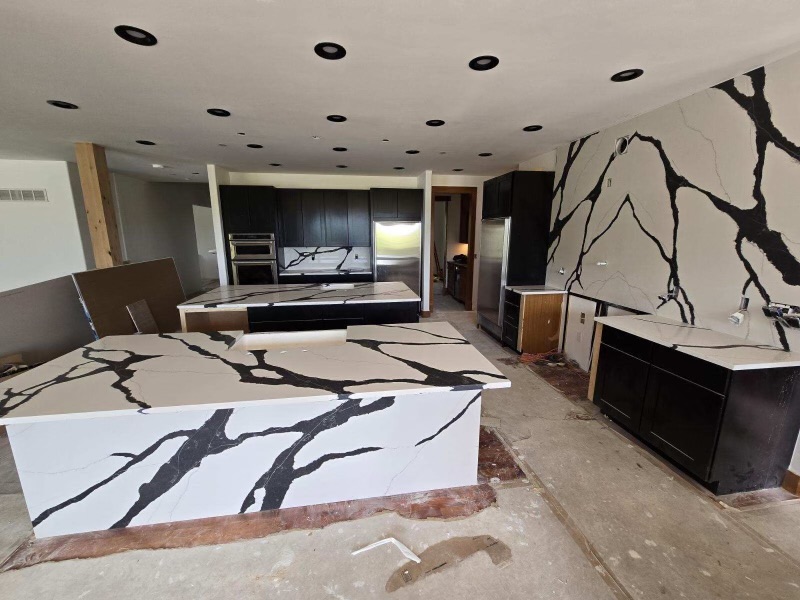
Businesses across the USA often overlook key factors during planning and installation, leading to costly mistakes. These errors can result in higher maintenance costs, reduced durability, and operational disruptions. In high-traffic environments, even small oversights can turn into major financial losses.
Based on industry experience, companies that invest in high-quality materials and professional installation see better performance, fewer repairs, and stronger long-term value. In this guide, we’ll explore the most common mistakes and how to avoid them.
Why Commercial Countertops Matter for Business Success
Commercial countertops must handle constant use, frequent cleaning, and exposure to heat, moisture, and chemicals. Unlike residential surfaces, they require a balance of durability, safety, and professional appearance.
From commercial kitchens to retail counters, choosing the right materials and installation approach ensures efficiency, hygiene, and long-lasting performance.
1. Choosing the Wrong Material for Your Business Needs
One of the most common mistakes is selecting materials based only on appearance rather than performance.
Different industries require different features. Restaurants need heat-resistant countertops, healthcare facilities depend on non-porous commercial surfaces for hygiene, and offices or retail spaces benefit from durable yet modern designs.
Quartz, granite, and solid surface materials are widely used in commercial countertop services. Quartz is known for being low-maintenance and stain-resistant. Granite offers exceptional durability and heat resistance, making it ideal for commercial kitchen countertops. Solid surface materials provide a seamless and hygienic finish, often preferred in healthcare environments.
Choosing the wrong material can lead to early damage, increased maintenance, and unnecessary costs.
2. Ignoring Workflow and Space Planning
Countertops are not just surfaces; they are essential to how your business operates. Poor planning can disrupt workflow and reduce efficiency.
For example, limited prep space in a commercial kitchen can slow down productivity, while poorly positioned counters in retail environments can affect customer interaction. Even small layout issues can create long-term operational challenges.
A well-planned commercial surface installation improves accessibility, efficiency, and overall usability.
3. Cutting Costs on Fabrication Quality
Trying to save money on countertop fabrication services often leads to bigger expenses later.
Low-quality fabrication can result in uneven edges, weak joints, and visible seams. In high-use environments, these flaws can quickly develop into cracks or structural damage.
Investing in professional fabrication ensures precision, durability, and a polished finish that enhances both performance and appearance.
4. Poor Installation Practices
Even high-quality materials can fail if they are not installed properly. Poor installation is one of the leading causes of countertop issues in commercial spaces.
Common problems include uneven surfaces, improper sealing, and weak adhesive application. These issues can lead to water damage, instability, and reduced lifespan.
Professional installers ensure that countertops are properly leveled, securely fitted, and capable of handling daily commercial use.
5. Overlooking Maintenance Requirements
Every material comes with specific maintenance needs, and ignoring them can lead to avoidable damage.
Some surfaces require periodic sealing, while others may react poorly to harsh cleaning products. High-traffic areas also demand consistent cleaning to maintain hygiene standards.
Choosing low-maintenance materials and understanding proper care routines can extend the life of your investment. Reliable Commercial Countertop Services providers can guide you in maintaining long-lasting commercial surfaces.
6. Not Considering Long-Term Durability
Focusing only on upfront costs can result in higher expenses over time. Commercial environments require surfaces that can withstand heavy usage without frequent repairs.
Key factors to consider include:
- Resistance to heat, stains, and impact
- Performance in high-traffic areas
- Long-term maintenance requirements
Durable countertops for high-traffic areas, such as quartz and granite, offer better performance and reduce long-term costs. Investing in quality materials ensures reliability and long-term value.
7. Hiring Inexperienced Contractors
Hiring inexperienced contractors is one of the most costly mistakes in Commercial Countertops Installation. A lack of expertise can lead to poor workmanship, project delays, and budget overruns.
Experienced professionals understand the demands of commercial projects and follow industry standards. Licensed and insured commercial countertop contractors ensure proper installation, safety compliance, and long-lasting results.
How to Choose the Right Commercial Countertop Services in the USA
Choosing the right professionals is essential for a successful project. Businesses across the USA can benefit from understanding best practices in commercial countertop projects, while working with experienced local professionals ensures the best results.
When selecting a service provider, consider:
- Proven experience in commercial projects
- Knowledge of materials like quartz, granite, and solid surfaces
- Strong portfolio and positive client feedback
Working with the right contractor ensures efficient execution and long-term performance.
Why Professional Commercial Countertop Services Matter
Working with experienced experts like PureStone Surfaces ensures that every stage of the project, from design to fabrication and installation, is handled with precision.
Professional Commercial Countertop Services help reduce costly mistakes, improve efficiency, and deliver high-quality results that meet commercial standards across the United States.
Conclusion
Investing in the right Commercial Countertops Installation is essential for creating a durable, functional, and professional commercial space.
If you are planning a commercial upgrade, working with experienced professionals ensures long-term durability and performance while helping you avoid costly mistakes.
By focusing on proper material selection, quality fabrication, expert installation, and skilled contractors, you can protect your investment and ensure long-term success. A strategic approach will not only enhance the appearance of your space but also improve efficiency and reliability.
Frequently Asked Questions
Q: What is the best material for commercial countertops?
The best material depends on your business needs. Quartz is ideal for low-maintenance environments, granite is perfect for heat-resistant applications like restaurants, and solid surfaces are preferred for hygienic commercial use.
Q: How long does commercial countertop installation take?
Most projects take anywhere from a few days to two weeks, depending on the size, design, and complexity of the installation.
Q: How much do commercial countertop services cost in the USA?
Costs vary depending on materials, project size, and customization. Investing in high-quality materials and professional installation ensures better durability and long-term value.
Q: Which countertops are best for high-traffic areas?
Durable commercial surfaces like quartz and granite are the best choices for high-traffic areas due to their strength, resistance to wear, and low maintenance requirements.
Q: How do I choose a commercial countertop contractor?
Look for experienced professionals with a strong portfolio, positive client reviews, and expertise in commercial projects. Choosing licensed and insured contractors ensures better quality and reliability.